Every dollar you save on small business tax is a dollar you can reinvest into growth, staff or simply keeping the lights on. With the financial year 2025-26 nearing its end, understanding your small business tax obligations and the concessions available can make a real difference to your bottom line.
Whether you operate as a company, sole trader or partnership, the Australian Taxation Office offers several legitimate ways to lower your tax bill. The trick is knowing which ones apply to your business structure and how to use them before the end of the financial year.
Understanding Small Business Tax Rates for 2025-26
The company tax rate you pay depends on your business structure and income level. If you run a small business company that qualifies as a base rate entity, you'll pay 25% tax instead of the standard 30% rate. To qualify, your aggregated turnover must be less than $50 million and no more than 80% of your income can come from passive sources like interest or dividends.
For sole traders, partners and trust beneficiaries, your business income is taxed at individual rates. The good news is you might be eligible for the small business tax offset, which gives you back 16% of the tax payable on your net small business income, up to a maximum of $1,000. This offset is automatically applied when you lodge your tax return.
The difference between these rates can be substantial. A base rate entity company earning $200,000 in taxable income saves $10,000 compared to the full company tax rate.
What Counts as Net Small Business Income
Net small business income is the assessable income you earn from running a business as a sole trader, through a partnership, or as a beneficiary of a trust. It doesn't include salary and wages from an employer or investment income like rent or dividends.
The Australian Taxation Office calculates this figure by looking at your total business income minus any business deductions you're entitled to claim. If you're a sole trader with multiple income streams, only the portion earned from your business activities counts towards the small business income tax offset.
One important catch: if your business is a personal services business, your income might not qualify for certain small business concessions, even though you'll still benefit from the tax offset.
Eight Ways to Lower Your Small Business Tax Bill
1. Use the $20,000 instant asset write-off
On 13 May 2026, the Federal Treasurer handed down the 2026–27 Budget. Among the headline measures was a long-awaited change for Australia’s 2.4 million small businesses: the $20,000 instant asset write-off is proposed to become a permanent feature of the tax system, rather than being extended year by year.
2. Pool your depreciation for larger assets
Assets costing more than $20,000 can go into a simplified depreciation pool. You'll claim 15% in the first year and 30% each year after that. It's less paperwork than tracking individual asset depreciation schedules.
3. Bring forward deductible expenses
If you know you'll need to spend money in the next 12 months, paying now can reduce this year's tax. Prepaying rent, insurance, subscriptions or making superannuation contributions for yourself as a business owner all count as immediate deductions, provided the expense period doesn't exceed 12 months.
4. Review capital gains tax concessions
Small business owners selling assets may qualify for significant capital gains tax relief. The 50% active asset reduction, 15-year exemption, retirement exemption and rollover relief can dramatically cut the tax you pay when disposing of business property. Each concession has different eligibility tests based on your net assets or annual turnover, so speak with your tax professional about timing.
5. Structure income through family partnerships or trusts
If you operate through a partnership or trust, you might be able to distribute income to family members on lower tax brackets. This needs careful planning to stay within personal services income rules and Part IVA anti-avoidance provisions, but it's perfectly legal when done properly.
6. Manage your aggregated turnover
Many small business concessions kick in at different turnover thresholds. The lower company tax rate requires turnover under $50 million. The instant asset write-off needs turnover below $10 million. If you're close to a threshold, consider deferring income or accelerating expenses to stay under the limit.
7. Switch to cash accounting for GST
Businesses with turnover under $10 million can account for GST on a cash basis rather than accrual. You only pay GST when you actually receive payment from customers, which helps cash flow and can defer some tax liability.
8. Salary package a vehicle through a novated lease
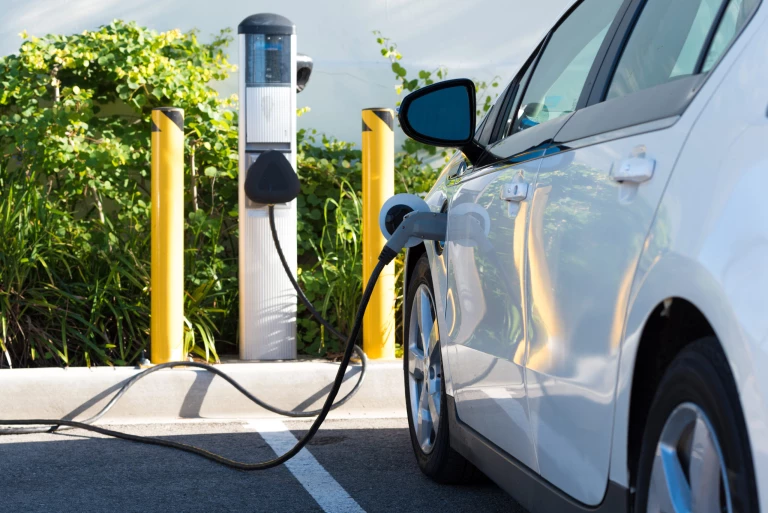
This strategy works whether you're a sole trader paying yourself or an employee of your own company. A novated lease lets you pay for a vehicle using pre-tax salary, which lowers your taxable income. The lease payments and all running costs come out before income tax is calculated, and your fleet provider claims back the GST on the purchase price and ongoing expenses.
At Easi, we've helped thousands of small business owners structure their vehicle costs to maximise tax savings. Our fleet team has seen first-hand how sole traders and base rate entity companies can trim thousands off their annual tax bill just by changing how they pay for their work vehicle.
Electric vehicles first held before 1 April 2025 attract even better FBT concessions, making them particularly tax-effective choices for small business novated leasing.
When to Get Professional Tax Advice
About three-quarters of Australian small businesses use an accountant or tax agent, according to recent industry surveys. That makes sense when you consider how complex the rules around aggregated turnover, personal services business income and capital gains concessions can get.
Your tax professional can model different scenarios, ensure you're claiming every eligible deduction and keep you compliant with ATO requirements. They'll also help you understand how changes to your business structure might affect your tax obligations in future income years.
The cost of good tax advice typically pays for itself several times over through legitimate tax savings and peace of mind.
Making Vehicle Costs Work Harder for Your Business
If you're planning to buy a work vehicle in the next few months, the way you structure that purchase can significantly impact your small business tax position. Traditional car loans use after-tax income, meaning you've already paid tax on every dollar before it goes towards your vehicle.
A novated lease flips that equation. The lease payment and running costs like fuel, insurance, rego and servicing all come from your pre-tax salary. Your taxable income drops, which means you pay less income tax overall.
We've been helping Australian small business owners navigate these decisions for many years. Our teams in Perth, Brisbane and Melbourne work with sole traders, partnerships and small companies every day to structure vehicle costs in the most tax-effective way possible.
The timing of your novated lease also matters. Starting earlier in the financial year gives you more months of tax savings to claim in your return.
Your Next Steps Before EOFY
Start by reviewing which small business concessions you're already using and which ones you might have missed. Check whether you qualify as a base rate entity for the lower company tax rate. Look at your asset purchases and see if the instant asset write-off or depreciation pooling makes sense.
If you're thinking about a new vehicle, get a quote to see how much a novated lease could reduce your taxable income. Our online calculator gives you a clear picture of the tax savings based on your individual circumstances.
The ATO administers all the rules mentioned in this article, and rates and thresholds can change with each federal budget. Always verify the current rules or speak with a registered tax agent before making major financial decisions.
Small business tax doesn't have to be complicated. With the right structure, timing and professional advice, you can keep more of what you earn while staying completely above board. Give us a call or contact us on our website if you'd like to explore how a novated lease might fit into your tax strategy for 2025-26 and beyond.
Disclaimer: This information is general only. Tax rules can be complex and your personal circumstances matter. Speak with a registered tax agent about your specific situation, and visit the ATO's working-from-home hub for the latest guidance.