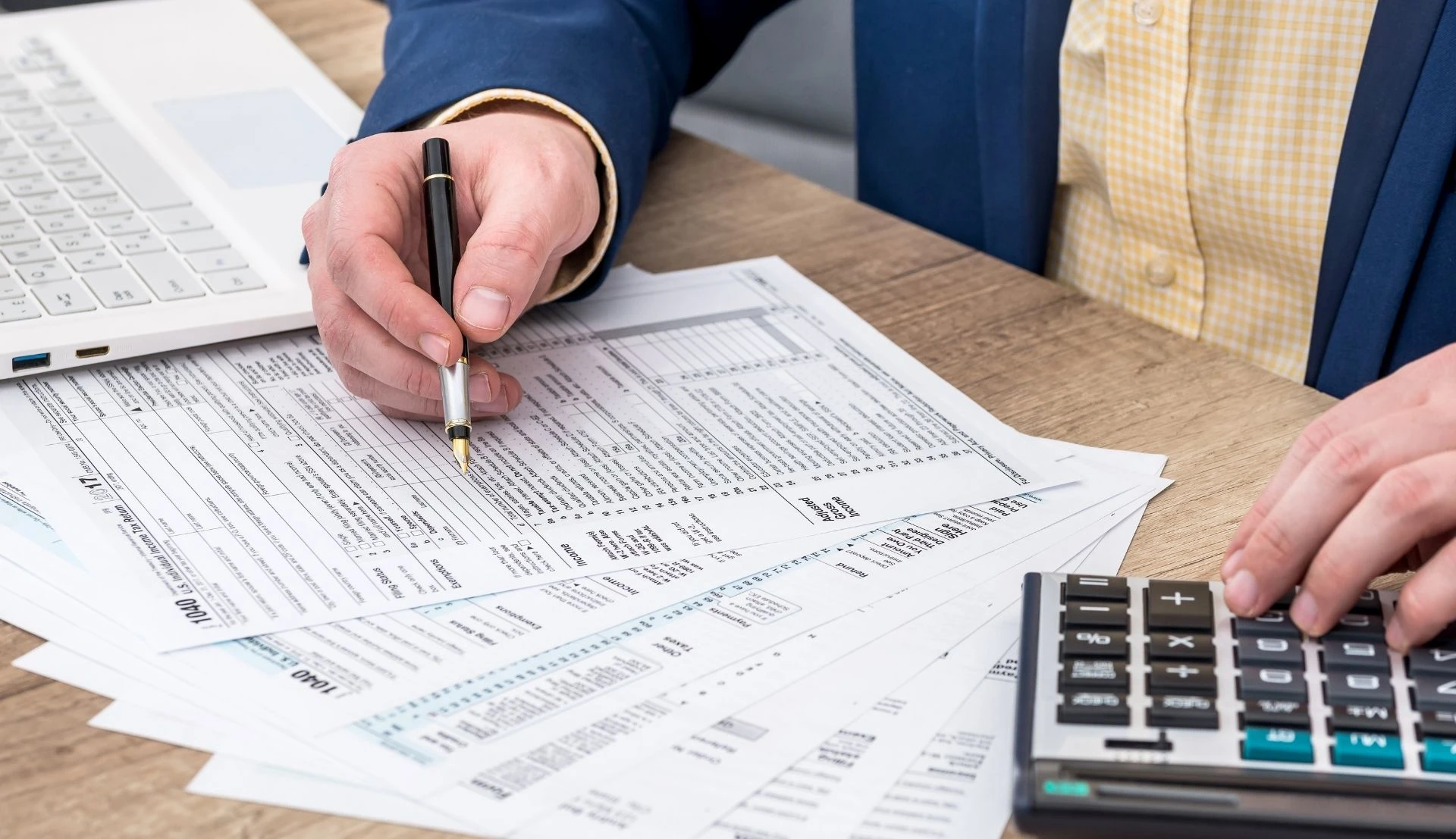
Tax time rolls around every year, and if you're like most Australians, you're looking for ways to reduce your taxable income without ending up on the ATO's radar. The good news? There are plenty of legitimate work-related expenses you can claim, and understanding the rules can make a real difference to your tax refund.
If you're driving for work, working from home, or paying for professional memberships, knowing what you can claim (and how to prove it) takes the guesswork out of lodging your tax return. At Easi Fleet, we help Australians save on car costs through salary packaging and novated leasing, so we know a thing or two about keeping more money in your pocket.
What Work-Related Expenses Are You Able to Claim?
Before we get into the specifics, it's worth understanding what "work-related" actually means. The Australian Tax Office (ATO) is pretty clear: you can only claim a deduction for expenses that are directly related to earning your income. That means the cost has to be for your employment duties, you must have spent the money yourself (and not been reimbursed), and you need to have records to prove it.
Here's the catch: if an expense covers both work and personal use, you can only claim the work-related portion. The ATO calls this the "actual work-related portion", and they're getting better at spotting people who try to claim 100% of something they use privately. Keep accurate records and apply a reasonable basis when you split costs, and you'll be fine.
5 Common Work-Related Expenses You Can Claim Deductions On
Car Expenses
Work-related car expenses are a common deduction claimed in Australia. If you use your car for work (not including your regular commute), you've got two methods to choose from.
Cents Per Kilometre Method
This is the simpler option. For the 2025-26 financial year, you can claim 88 cents per kilometre for up to 5,000 work-related kilometres. You don't need written evidence of every trip, but you do need to show how you calculated your total work kilometres.
Logbook Method
If you drive more than 5,000 work kilometres or have significant running costs, the logbook method might give you a bigger deduction. You'll need to keep a logbook for at least 12 continuous weeks that shows your work-related travel as a percentage of total use. Then you can claim that percentage of all your car expenses: fuel, servicing, insurance, rego, interest charged on a car loan, and even the decline in value (depreciation).
Home Office Expenses
With nearly half of Australian workers doing at least some work from home, home office expenses have become one of the most claimed deductions. The ATO introduced a revised fixed-rate method that makes things simpler, but the record-keeping requirements are stricter than they used to be.
Fixed-Rate Method
At the time of writing this article, you can claim 70 cents per hour for every hour you work from home. This rate covers:
Energy (electricity and gas)
Internet and mobile phone expenses
Stationery and computer consumables
You'll need a record of the actual hours you worked from home (a timesheet or diary), plus at least one bill for each expense category to prove you incurred the costs. You can still claim a separate deduction for depreciating assets like desks, chairs or monitors over $300 based on their effective life.
Actual Cost Method
Alternatively, you can calculate the actual work-related portion of each expense. This takes more effort but might give you a better result if your home office costs are high. You'll need to work out the percentage of each bill that relates to work and keep all your receipts.
Work-Related Travel Expenses
Travel expenses cover more than just driving your own car. If you're travelling for work duties, such as visiting clients or overnight trips (rather than your regular commute), you can claim things like:
Public transport, taxis and ride-share
Flights and accommodation for overnight work trips
Parking fees and tolls when travelling for work
Meals during overnight work travel
You'll need written evidence for all these expenses, and if you're away for more than six nights, you'll also need a travel diary. Remember, you can't claim the cost of getting from home to your regular workplace. That's considered a private expense, even if you work odd hours or carry tools.
Protective Clothing and Laundry
If your job requires you to wear protective clothing, occupation-specific clothing or a registered uniform, you can claim the purchase cost and the cost of laundering it. This includes:
Hi-vis gear, steel-cap boots and hard hats
Chef's pants and jackets
Registered uniforms with your employer's logo
Protective equipment (PPE)
The laundry rules are straightforward: you can claim $1 per load if you wash work items separately, or 50 cents per load if you wash them with other clothes. If your total laundry claim is $150 or less, you don't need receipts, but you still need to show how you worked out the amount.
Union Fees and Professional Memberships
This one's simple. If you pay union fees or professional memberships that relate to your current employment, you can claim 100% of the cost. Your income statement (formerly called a payment summary) usually shows union fees paid, which makes it easy at tax time.
You can also claim subscriptions to:
Professional libraries and online resources
Trade magazines and technical journals
Professional bodies (like CPA Australia or Engineers Australia)
Licence renewals are required for your job
Keep your receipts and make sure the membership or subscription genuinely relates to your current work. If you're paying for something that might help you get a different job down the track, it's probably not deductible.
Make Your Car Expenses Work Harder With Easi
If car expenses are your highest work-related cost, there might be a smarter way to manage them. With a novated lease through Easi, your car repayments, fuel, servicing, insurance, and rego can all be bundled into one convenient payment taken from your pre-tax salary. That means less manual tracking and fewer calculations at tax time, since many of your running costs are already accounted for before your income is taxed.
Want to see how much you could save? Check out the novated lease savings calculator or browse cars for novated lease to find your next vehicle. If you’re ready to get started, contact us and get a quote today.
Frequently Asked Questions
What are the most overlooked tax deductions in Australia?
Many people forget to claim the work-related portion of their phone and internet bills, overtime meal expenses, small home-office items like printer ink and stationery, union fees shown on their income statement, and tools or equipment under $300 that qualify for an immediate deduction.
How many work-related expenses can I claim without proof?
In terms of cost, you can claim up to $300 in total work-related expenses without written evidence, but you must be able to show how you calculated the amount and prove you actually incurred the expenses. As long as the total is under $300, the number or quantity of expenses you claim doesn’t matter. However, this isn't an automatic deduction. Car expenses and travel expenses still need proper records like logbooks or bank statements, regardless of the amount.
Can I claim $1,000 without receipts?
No. The $300 limit applies to your total work-related expenses claimed without receipts. Anything beyond that needs to be substantiated with proper records. If you're claiming $1,000, you'll need receipts and evidence for at least $700 of it.
Disclaimer: This article provides general information only and should not be relied upon as tax advice. Tax rules and eligibility criteria can change, and everyone's tax situation is different. For advice specific to your circumstances, speak with a registered tax agent or tax professional.