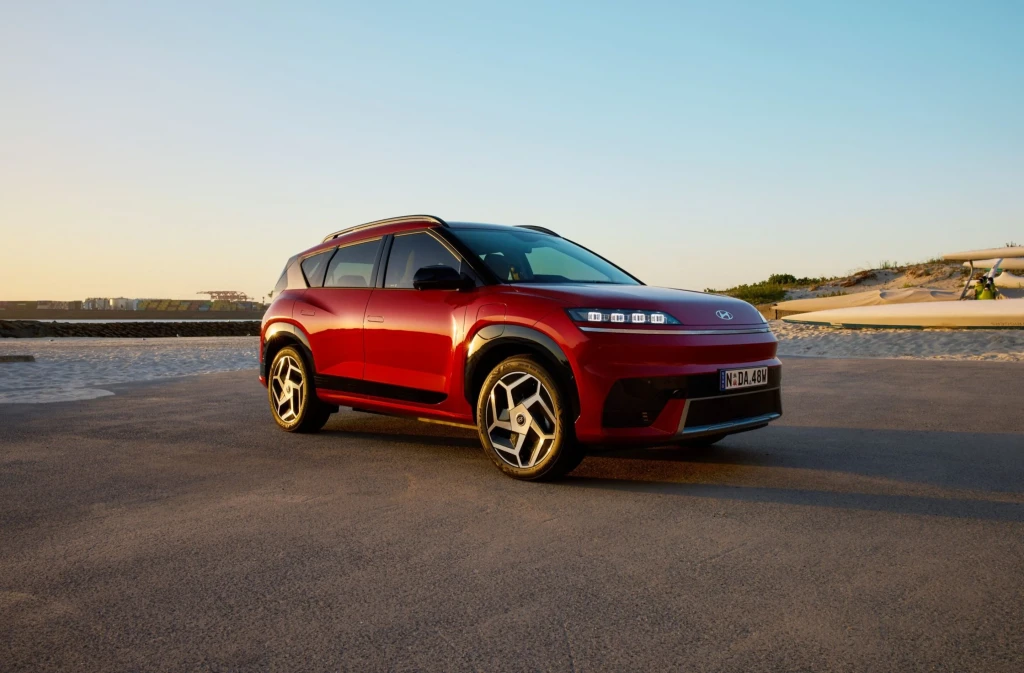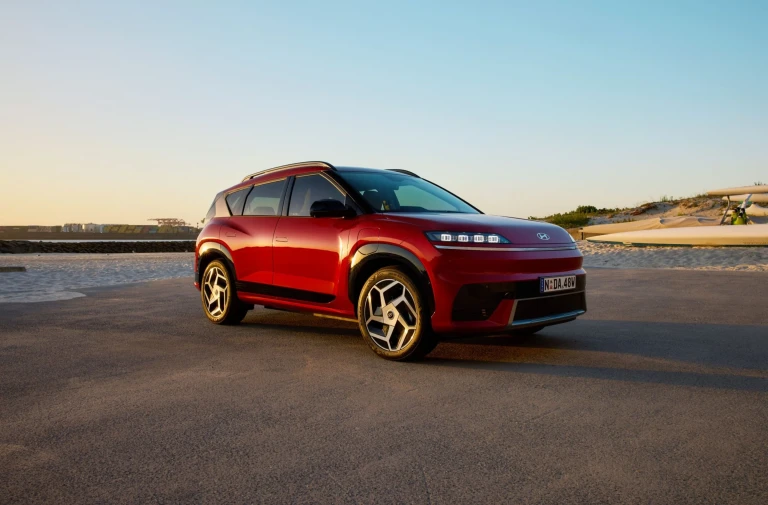
If you've been eyeing off the electric-vehicle market but haven't found the right fit, the Kia EV3 might just change your mind. This compact SUV landed in Australian showrooms in mid-2025, and it's already turning heads with its blend of practicality, tech and genuine affordability.
Our team of EV experts have looked through everything the EV3 has to offer, and this review will cover the main talking points
What is the Kia EV3?
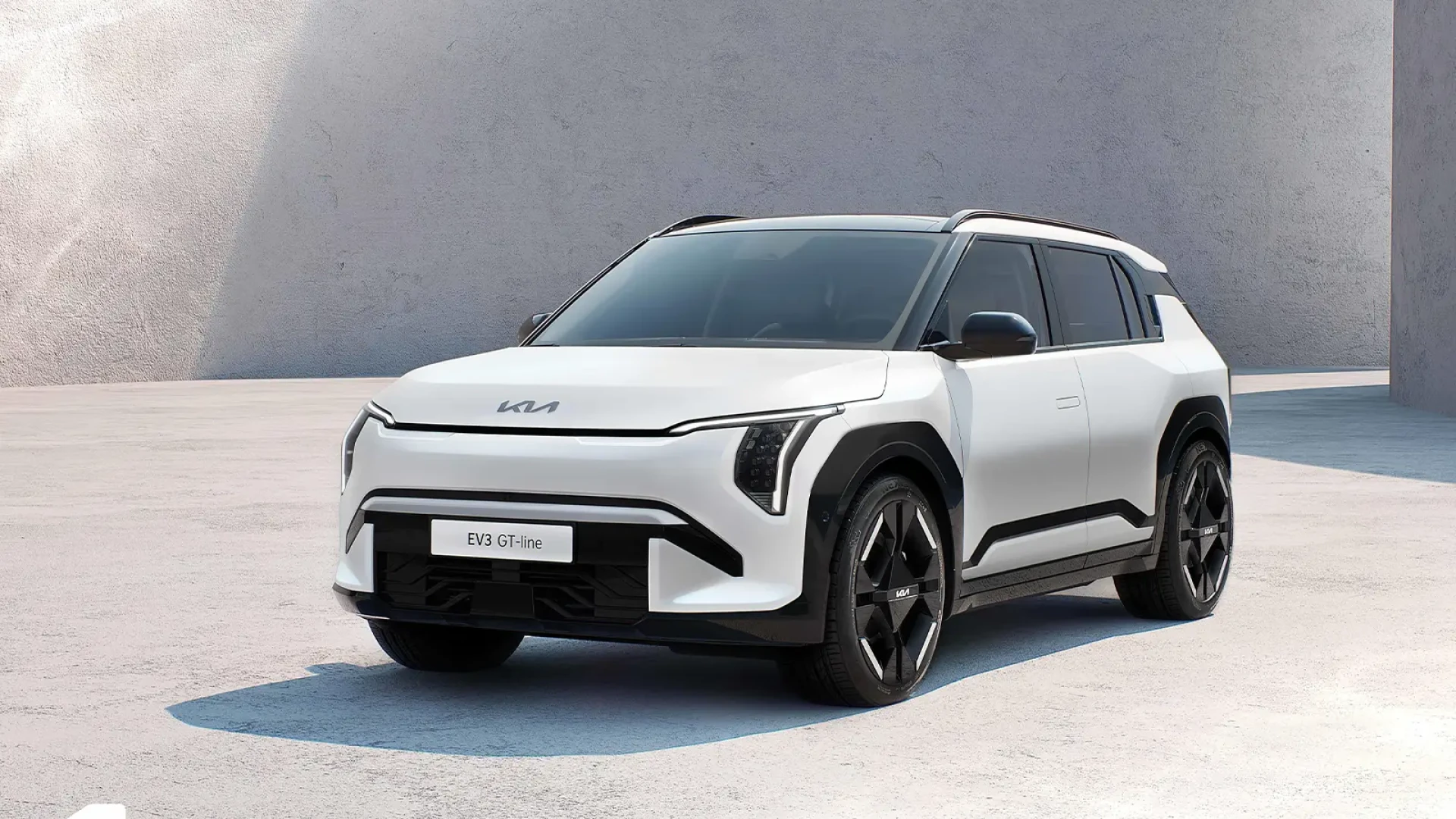
The Kia EV3 is a small SUV built on the same E-GMP platform that underpins Kia's larger EV5 and EV9 models. At 4300 mm long, it's roughly the size of a Seltos but with a flat floor, more interior space and zero tailpipe emissions.
It's designed for city driving and highway trips alike, with enough boot space (460 litres) to handle the weekly shop or a weekend getaway.
Kia Australia offers four variants: Air Standard Range, Air Long Range, Earth Long Range and the flagship GT-Line. All use a front-wheel-drive layout with a 150 kW motor, though an all-wheel-drive GT variant is expected in the future.
Kia EV3 Air Review: Standard Range vs Long Range
The entry-level Air Standard Range kicks things off at $46,990. You get a 58.3 kWh battery, 436 km of claimed range and 17-inch wheels. For most daily commutes, that's plenty. The Air Long Range steps up to $52,990, swaps in an 81.4 kWh battery and stretches range to 604 km. That's the longest range of any small electric SUV under $70k in Australia right now.
Both Air variants share the same core kit: dual 12.3-inch screens, wireless Apple CarPlay and Android Auto, climate control, adaptive cruise control and seven airbags including a centre airbag.
The cabin feels roomy thanks to the flat floor, and rear seats fold 60:40 if you need to haul something bulky. There's no spare wheel, just a tyre-mobility kit, which is standard across the line-up.
Performance and One-Pedal Driving
The EV3 delivers 150 kW and 283 Nm to the front wheels. That's enough to hit 100 km/h in 7.5 seconds (Standard Range) or 7.9 seconds (Long Range). There's no torque steer to speak of, and the ride quality is composed on most surfaces. Sport mode sharpens throttle response, though you'll likely stick with Normal for everyday driving.
One-pedal driving is handled by Kia's i-Pedal 3.0 system. You can adjust regenerative braking using steering wheel paddles, which gives you fine control over how much the car slows when you lift off the throttle. It's intuitive once you get the hang of it, and it makes city driving feel effortless.
Earth Long Range: Stepping Up the Comfort
At $58,990, the Earth Long Range adds leather-appointed seats, a heated steering wheel, seat heating for front and rear passengers, a power tailgate and 19-inch wheels. You lose a bit of range compared to the Air Long Range (563 km instead of 604 km) because of the bigger wheels and slightly heavier spec, but the extra comfort is worth it if you spend a lot of time behind the wheel.
The Earth also gets a two-level boot floor that you can adjust by 140 mm, giving you more flexibility when loading cargo. Door pockets are generous, USB-C ports are scattered throughout, and the spacious interior means child seats fit easily in the rear bench.
Kia EV3 GT-Line Review: Premium Tech and Style
The GT-Line sits at the top of the range for $68,490. You get all the Earth's comfort features plus a 12-inch head-up display, relaxation seats with extendable leg support, a Harman Kardon eight-speaker audio system and sportier bumpers with unique 19-inch GT wheels. The GT-Line also adds Kia Connect telematics with over-the-air updates, so your car can improve over time.
Inside, ambient lighting and a slide-out table (yes, really) give the cabin a premium feel. The GT-Line is the pick if you want the full suite of tech and don't mind paying a bit extra for it.
Charging and Running Costs
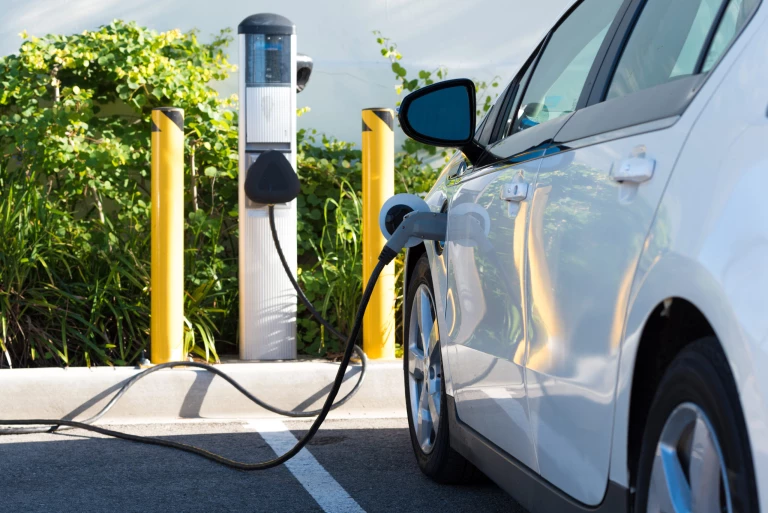
All EV3 variants use a 400-volt architecture. On a 350 kW DC fast charger, you can go from 10 to 80 per cent in 31 minutes. The onboard 10.5 kW three-phase AC charger means you can top up overnight at home if you have a wall box installed. The EV3 also supports Vehicle-to-Load, so you can run power tools or a portable fridge from the car using an adaptor.
Running costs are low. Kia offers a seven-year capped-price service plan, and electricity is far cheaper than petrol. If you charge at home on an off-peak tariff, you're looking at a few dollars to fully charge the Long Range battery. Public DC fast-charging costs vary, but even at 60 cents per kWh, a full charge is around $50.
In our 30+ years of business, we’ve handled thousands of novated leases and dealt with every Kia model under the sun. That hands-on experience means we know how to bundle wall-box installation, scheduled servicing and tyres into one pre-tax payment, making the switch to an EV smoother than you might think.
Safety Features: Highway Driving Assist and More
The EV3 comes loaded with active safety tech. Highway Driving Assist combines Lane Follow Assist 2 and Smart Cruise Control 2 to keep you centred in your lane and maintain a set distance from the car in front. Intelligent Speed Limit Assist reads road signs and adjusts your speed accordingly.
Autonomous emergency braking works at junctions and can detect cyclists and pedestrians, while high-beam assist toggles your lights automatically.
You also get blind-spot collision avoidance, safe exit warning (handy if you've got kids in the back) and curtain airbags. Kia is targeting a five-star ANCAP rating, which should arrive soon.
How Does the Kia EV3 Stack Up Against Rivals?
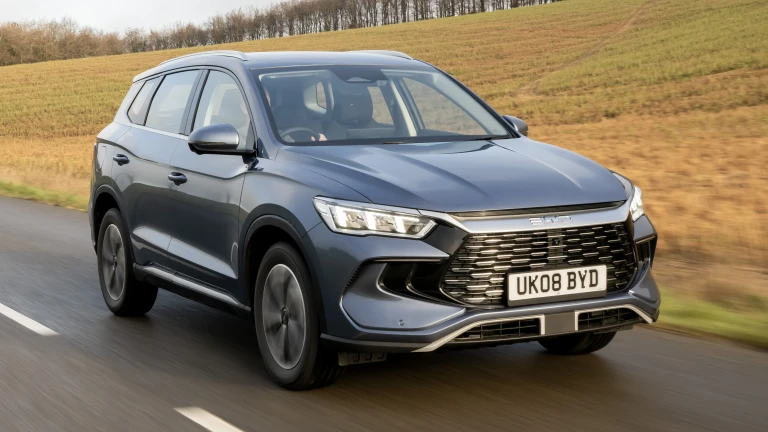
The BYD Atto 3 starts at $39,990, making it cheaper than the EV3, but its claimed range tops out at around 480 km. The MG 4 is similarly priced to the Atto 3 but feels more like a hatchback than an SUV. The Hyundai Kona Electric starts at $45,990 and shares some DNA with the EV3, but the Kia's 604 km range in the Air Long Range gives it a clear edge for road trips.
Chinese brands are pushing hard on price, but Kia's 10-year dealer network and strong reputation for reliability give buyers confidence. If you're planning to keep your car for the long haul, that matters.
Why 2026 Is a Great Time to Go Electric
Australia sold over 157,000 EVs in 2025, and the market share hit 13 per cent. Small SUVs are the fastest-growing segment, accounting for 61 per cent of all new-car sales. Public charging infrastructure has grown by 42 per cent year-on-year, with more than 880 DC fast-charge sites now live across the country.
This is extra important at the moment with the ongoing fuel crisis impacting Australia, with fuel costs continuously on the rise. A switch to electric energy can save you on these rising costs while also setting you up long term.
The Federal Government's EV FBT exemption is the real game-changer. If your EV costs less than the luxury car tax threshold ($89,332 for 2025-26), you can salary package it through a novated lease and pay zero FBT and zero GST on lease payments.
Save on Tax with a Kia EV3 Novated Lease
A novated lease lets you pay for your car using pre-tax salary, which lowers your taxable income. When you package an electric vehicle, the tax savings are even bigger thanks to the FBT exemption. All four EV3 variants sit comfortably under the luxury car tax threshold, so you get the full benefit.
At Easi, we bundle everything into one easy payment: finance, insurance, rego, servicing and even your wall-box installation if you need one. Our novated lease calculator can show you exactly how much you'll save. For example, an EV3 Air Long Range on a $110,000 salary could save you around $11,400 over five years compared to a traditional car loan.
We've been helping Australians save on vehicle costs for over 30 years, and our dedicated EV team has already delivered hundreds of electric novated leases. We know the ins and outs of Kia's allocation process, real-world running costs and how to make the paperwork disappear. If you're thinking about making the switch, give us a call on 1300 266 828 or get a quote today.