Picking the right car is about finding a reliable vehicle that fits your budget, suits your lifestyle and won't cost you a fortune to run. Between parents driving kids to practice, tradies carrying tools across town or those just wanting a dependable set of wheels for the daily commute, the car buying process can feel overwhelming.
The good news is you don't need to be a car expert to make a smart choice. With a bit of planning and the right information, you can find a vehicle that ticks all your boxes without blowing your budget. Let's walk through the key steps to help you choose the right car for your needs.
Set a Realistic Budget That Won't Blow Out
Before you start browsing dealership websites or dreaming about that new SUV, work out what you can actually afford. It’s recommended to keep your total car costs to around 15 per cent of your net income. That includes everything: the purchase price, fuel, rego, insurance and maintenance.
It's easy to focus only on the sticker price and forget about ongoing expenses. Then there's insurance, servicing every six to twelve months, tyres, and the occasional repair when something goes wrong.
If you're looking at finance options, a novated lease through Easi can make budgeting easier. You pay for your car and running costs from your pre-tax salary, which lowers your taxable income and means more money stays in your pocket.
Plus, everything from fuel to roadside assist gets bundled into one predictable payment. Want to see how much you could save? Check out the novated lease calculator to crunch the numbers.
Match Vehicle Size and Body Style to Your Lifestyle
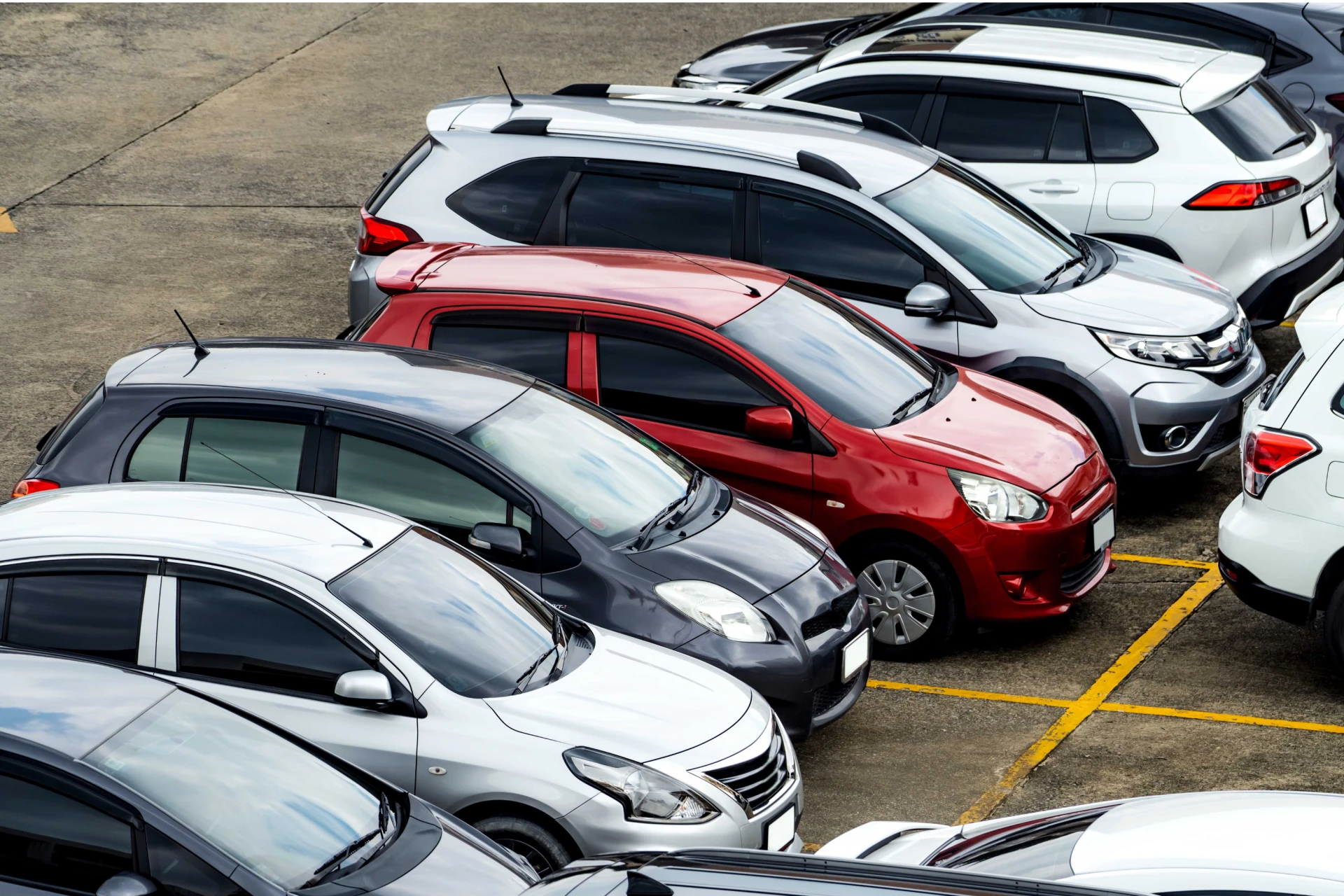
Think about how you'll actually use your car day to day. A compact hatchback might be perfect for zipping around the city and squeezing into tight parking spots, but it won't cut it if you're hauling sports gear every weekend or planning regular road trips with the family.
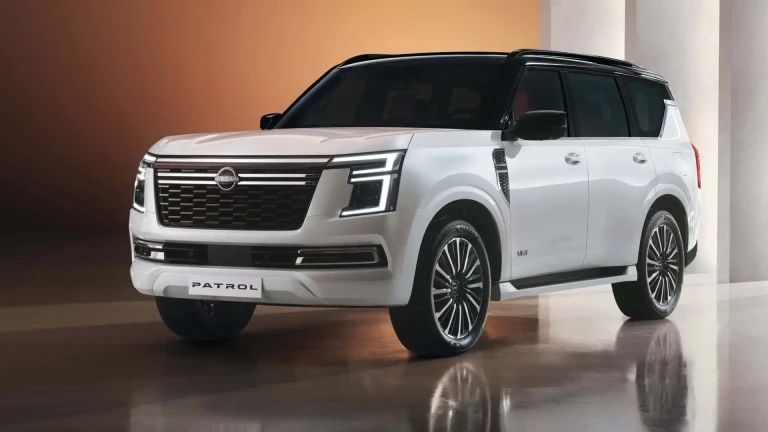
Growing families often lean towards larger vehicles like seven-seat SUVs or people movers. They offer plenty of storage space for prams, school bags and groceries, plus room for everyone to sit comfortably on long distances.
But bigger isn't always better. SUVs made up a record 61 per cent of new vehicle sales in 2025, yet they can be trickier to park in inner-city streets. They also tend to cost more to fuel and insure.
If you're a solo driver or couple without kids, a smaller car might be the practical choice. Sedans and hatches are typically cheaper to buy, more fuel efficient and easier to manoeuvre, but think about whether you need to tow a trailer, carry bulky equipment or tackle off-road driving conditions. Your answers will point you towards the right vehicle type.
Prioritise Safety Features and Five-Star ANCAP Ratings
Safety should be non-negotiable. Modern cars come packed with tech designed to keep you and your passengers safe, but not all models are created equal. Start by checking the ANCAP safety ratings for any car on your shortlist. A five-star rating means the vehicle performed well in crash tests and includes advanced safety features.
Look for essentials like automatic emergency braking (AEB), which can slam on the brakes if it detects a collision, and electronic stability control to help you stay in control on slippery roads. Blind-spot monitoring, lane-keep assist and driver monitoring systems are becoming standard in many new cars, and they genuinely make a difference.
If you've got kids, double-check how many child-seat anchor points the car has and how easy they are to access. Some back seats look spacious until you try fitting three car seats across the row, so take the time to inspect these practicalities before you commit.
Compare Fuel Efficiency and Future Running Costs
Fuel is one of the biggest ongoing expenses for any driver, so it pays to think about fuel economy before you buy. Petrol prices have been climbing, and unless you're planning to drive very little, a V8 will hurt your wallet more than a fuel-efficient hybrid or electric vehicle.
The Australian Government Green Vehicle Guide is a handy tool for comparing real-world fuel consumption and CO₂ emissions across different models. Plug in a few cars you're considering and see how they stack up. You might be surprised by the difference between a conventional petrol engine and a hybrid.
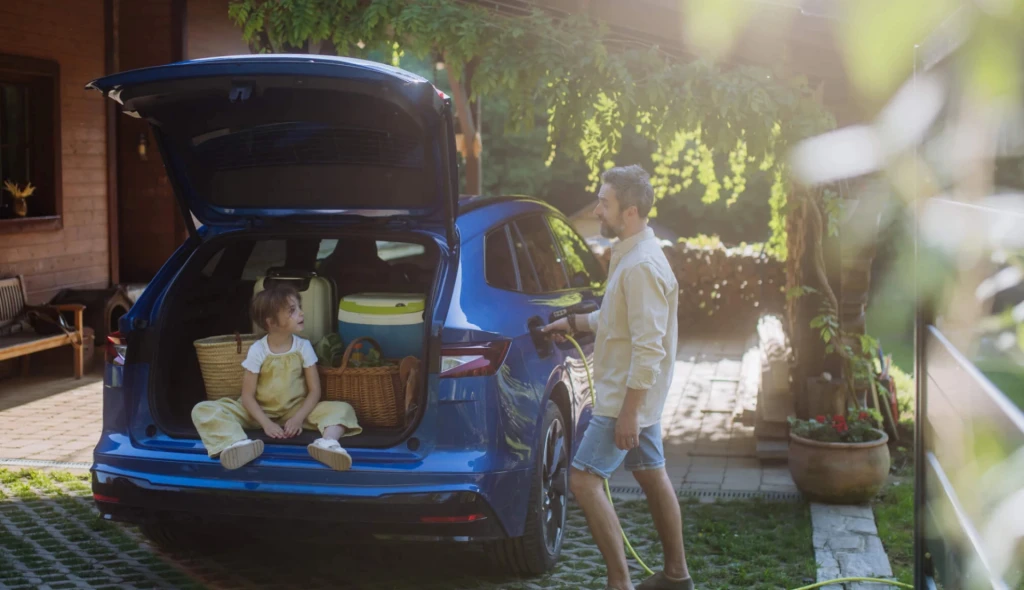
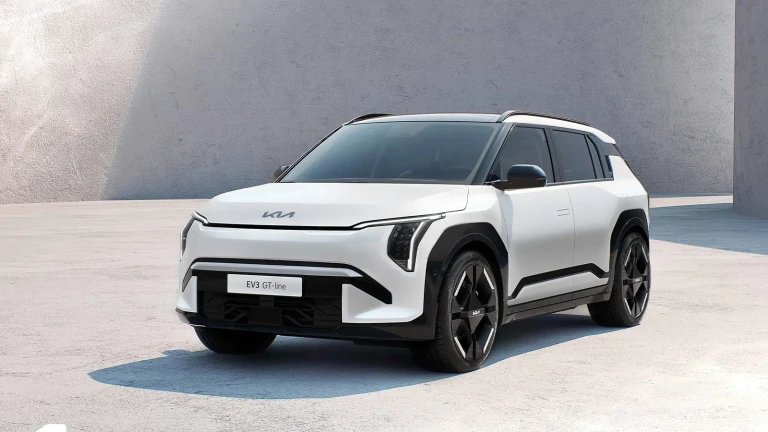
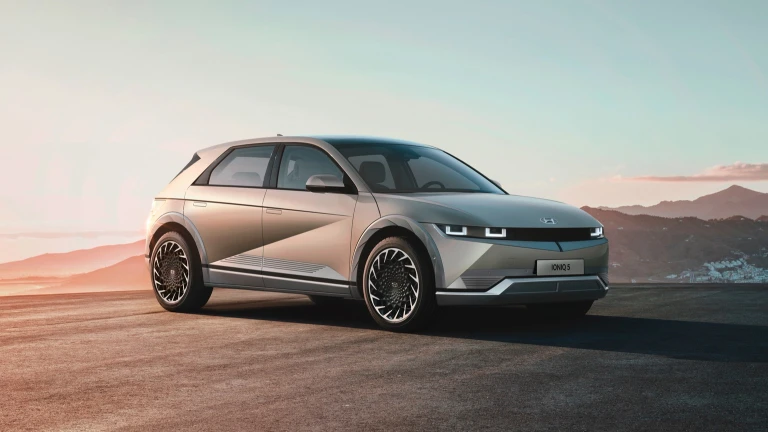
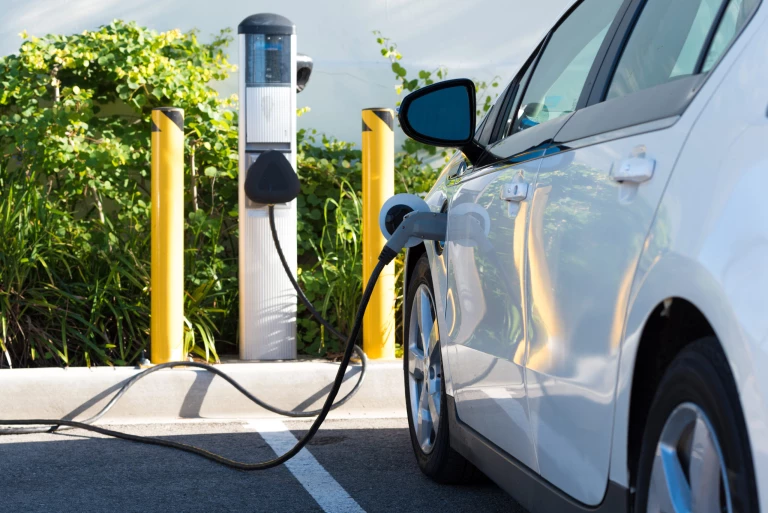
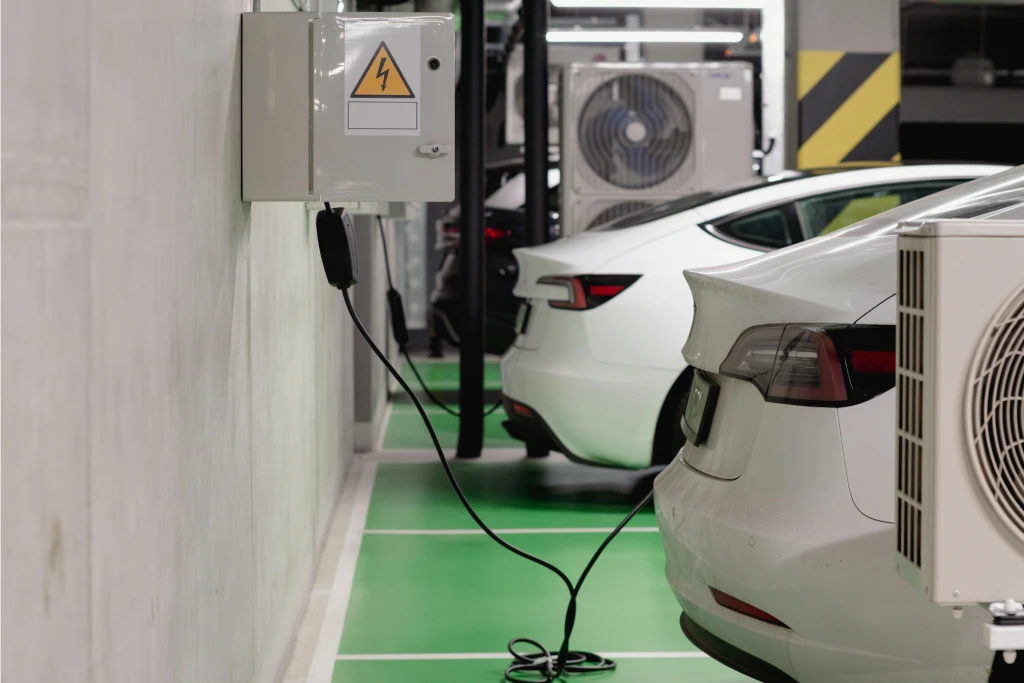
Electric vehicles are worth serious consideration, especially if you can charge at home. EV novated leases have been on the rise since mid-2022, partly because of the Fringe Benefits Tax exemption for battery-electric cars under the luxury car tax threshold of $91,387.
That exemption makes EVs significantly cheaper to run through salary packaging. Just keep in mind that plug-in hybrids no longer qualify for the FBT break, so if you're eyeing one of those, factor in the extra cost.
Understand Finance Options and Novated Lease Tax Benefits
Once you've narrowed down your shortlist, it's time to think about how you'll pay for your new car. A traditional car loan is one option, but if your employer offers salary packaging, a novated lease can save you thousands.
Here's how it works: you lease the car through your employer, and the repayments come out of your pre-tax salary. Because you're paying before tax, your taxable income drops, which means you pay less income tax overall.
You also save on GST when you buy the vehicle, and all your running costs (fuel, insurance, rego, servicing) get bundled into one easy payment. If you're considering an electric vehicle, the savings are even bigger thanks to the FBT exemption.
Easi specialises in making novated leasing straightforward. We handle the paperwork, negotiate with dealers to get you a great price, and manage all the admin so you don't have to. Whether you're after a practical family SUV or a zippy hatch, we'll help you find the right fit and maximise your savings.
Take a Thorough Test Drive and Check Practicalities
Never buy a car without taking it for a proper test drive. Photos and specs can only tell you so much. You need to sit behind the wheel, adjust the seat and mirrors, and get a feel for how the car handles on the road.
Pay attention to visibility. Can you see clearly out of all the windows, or are there big blind spots? How is the steering and the brakes? If you're planning to use the car for long distances, spend at least 20 minutes driving to see if the seats stay comfortable and the cabin stays quiet.
It’s always good to check the practical stuff too. Open the boot and see if it's big enough for your weekly grocery shop or a couple of suitcases. If you've got kids, try installing a child seat to make sure the anchors are accessible and there's enough legroom.
Test the infotainment system to see if it's intuitive or frustratingly complicated. These little details matter when you're living with the car every day.
Don't be afraid to test drive multiple models. It's the best way to figure out what feels right for you.
Ready to Choose the Right Car With Easi?
Choosing the right car comes down to knowing your budget, understanding your needs and doing a bit of homework. Whether you're after a fuel-efficient hybrid for city driving, a spacious SUV for the family or an electric vehicle to cut running costs, the key is finding a car that fits your life without stretching your finances.
If you're ready to make it happen, Easi can help. We've been Australia's novated leasing experts for over 30 years, and we'll guide you through every step of the process. From securing a great price on your preferred vehicle to setting up a tax-efficient novated lease, we make it easy.
Browse our cars or get in touch with our team to see how much you could save. Let's get you into the right car today.