Shopping for a mid-size SUV in Australia means you're spoilt for choice on a good car. The Toyota RAV4 vs Mitsubishi Outlander debate is one of the most common comparisons Aussie families make, but throw in the Kia Sportage, Mazda CX-5 and Hyundai Tucson and the decision gets trickier. Each vehicle brings something different to the table, from hybrid efficiency to plug-in electric range, seven-seat practicality to class-leading warranties.
We've broken down the specs, features and real-world considerations for comparison purposes; to help you weigh up what matters most. Between chasing the best fuel economy, needing room for a growing family or wanting peace of mind with a long warranty, this guide covers the essentials.
Toyota RAV4 vs Mitsubishi Outlander PHEV: Fuel Economy and Seating
When you line up the Toyota RAV4 against the Mitsubishi Outlander, the first thing that stands out is how each tackles efficiency.
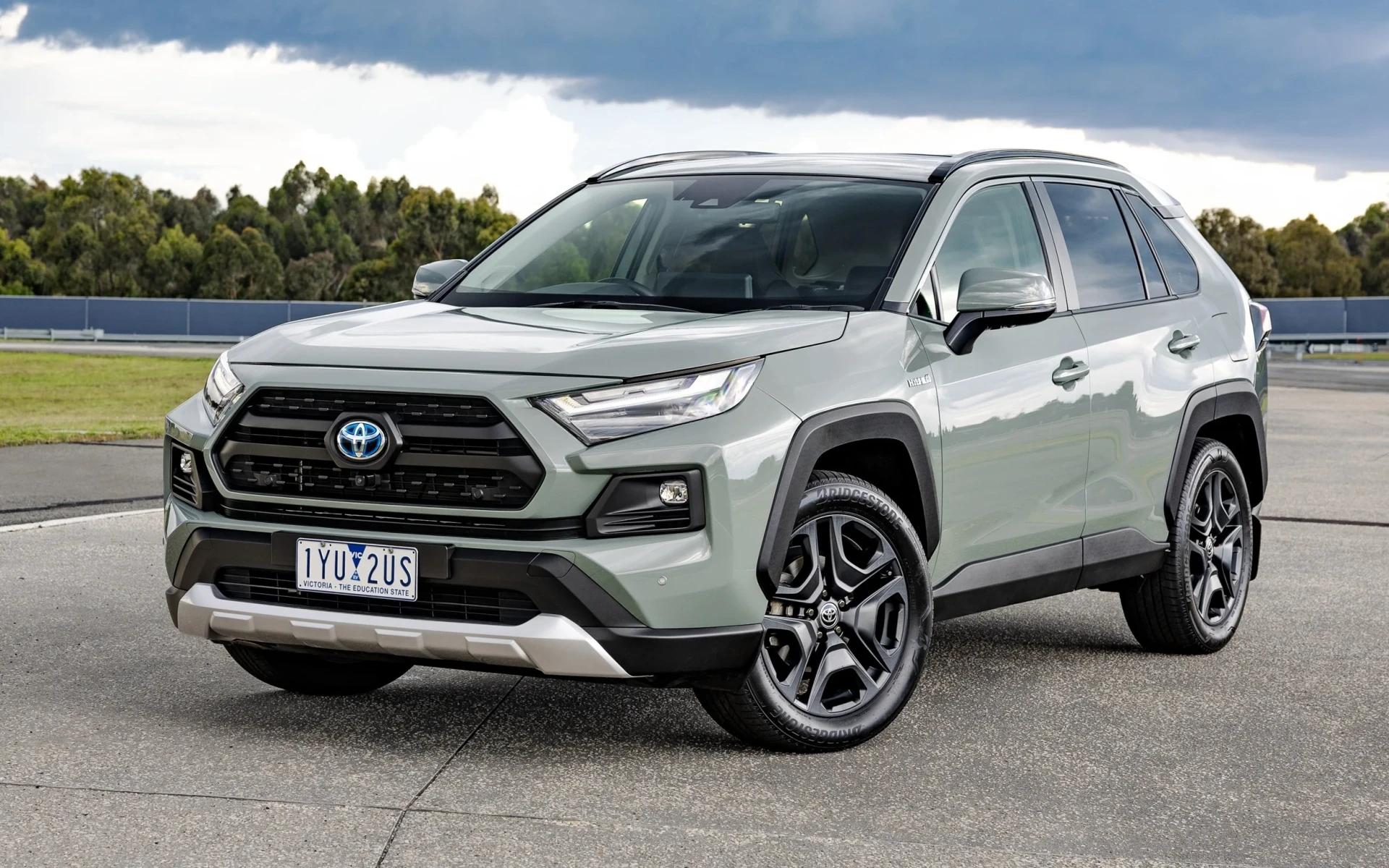
The RAV4 Hybrid claims 4.7 L/100 km in two-wheel drive (4.8 L/100 km for AWD models), making it one of the most fuel-efficient options in the segment. That translates to fewer stops at the servo and lower running costs over the life of your lease.
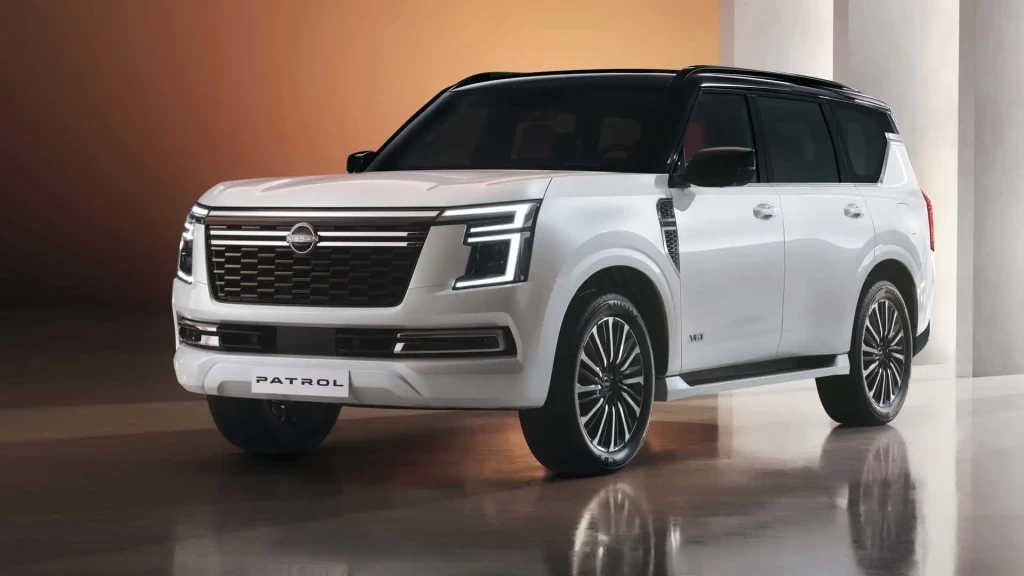
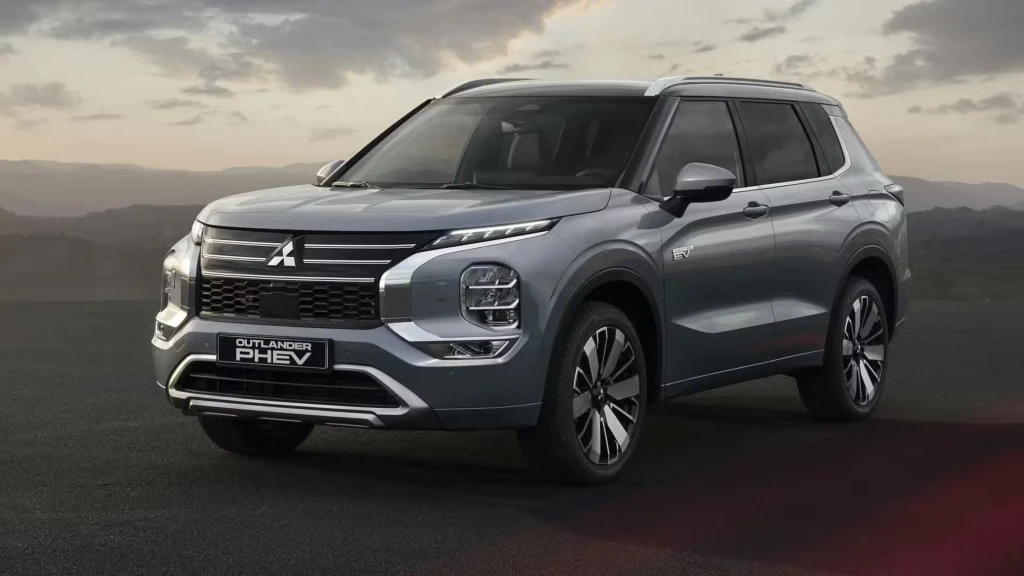
Where the Outlander pulls ahead is seating. It's the only vehicle in this comparison to offer seven seats as standard across most variants, which is a genuine drawcard for families juggling car seats, school runs and weekend sport.
Both models come with air conditioning, adaptive cruise control, lane-keep assist and automatic emergency braking with pedestrian detection. The Outlander adds wireless Apple CarPlay, while the RAV4 still requires a cable.
Kia Sportage vs Toyota RAV4: Warranty and Boot Space
If long-term confidence is your priority, the Kia Sportage makes a compelling case.
Fuel economy on the Sportage varies by powertrain. The Hybrid variant claims 4.9 L/100 km, sitting just behind the RAV4 Hybrid. The RAV4's hybrid system is more efficient across the board, but the Sportage diesel offers better towing capacity at 1,900 kg (braked) compared to the RAV4's 1,500 kg.
Inside, both vehicles feel well-built and come loaded with safety features. The Sportage's cabin leans slightly more modern with its dual-screen layout, but the RAV4 counters with Toyota's reputation for reliability and strong resale value.
Mazda CX-5 vs Toyota RAV4: Driving Feel and Cargo
The Mazda CX-5 has always prioritised driving dynamics over outright practicality, and that shows when you compare it to the RAV4. If you enjoy a more connected, engaging feel behind the wheel, the CX-5 delivers. Its steering is sharper, the suspension is tuned for a sportier ride, and the interior design feels more premium than some rivals.
However, there are still trade-offs. The CX-5's boot is the smallest in this comparison at 438 litres, more than 140 litres down on the RAV4.
Fuel economy depends on which CX-5 you choose. Economy ranges from 6.9 L/100 km, to 8.2 L/100 km, not matching the RAV4 Hybrid's 4.7 L/100 km, so if minimising fuel costs is a priority, Toyota has the edge.
Both brands enjoy strong reputations in Australia, though Toyota edges ahead in surveys measuring long-term reliability. The CX-5 does offer a quieter cabin at highway speeds and a more upmarket interior finish, which might matter if you're spending hours on the road.
Hyundai Tucson vs Toyota RAV4: Tech and Value
The Hyundai Tucson shares a lot of DNA with the Kia Sportage (they're built on the same platform), but Hyundai pitches it with a slightly different design language and feature set.
Like the Sportage, the Tucson Hybrid claims 5.3 L/100 km, which is competitive but still trails the RAV4 Hybrid. The petrol-only Tucson sits at 8.1 L/100 km, and diesel variants come in around 6.3 L/100 km.
Where the Tucson shines is technology. Wireless Apple CarPlay is standard, and higher-spec models include features like a head-up display, 10.25-inch touchscreen and ambient lighting. The RAV4 feels more conservative in comparison, though some buyers prefer Toyota's simpler, less fussy approach to infotainment.
Towing capacity on the Tucson diesel reaches 1,900 kg (braked), matching the Sportage and outpacing the RAV4. If you're planning to tow a caravan or boat, that extra 400 kg makes a tangible difference.
Which Mid-Size SUV Has the Biggest Boot?
If cargo space is your main concern, the Kia Sportage Hybrid takes the crown at 586 litres. That's followed closely by the Toyota RAV4 at 580 litres, then the Hyundai Tucson at 539 litres. The Mitsubishi Outlander offers 478 litres with five seats in use, but drops to just 163 litres if you're using the third row. The Mazda CX-5 trails the pack at 438 litres.
In real-world terms, the difference between 580 litres and 438 litres is the space for an extra suitcase, a pram or a couple of bags of groceries. If you regularly fill the boot to capacity, the RAV4 and Sportage make life easier. If you occasionally need seven seats and can live with less cargo room, the Outlander is your only option in this group.
All five SUVs feature 60/40 split-folding rear seats, and most offer underfloor storage for smaller items. The RAV4 includes a full-size spare on most grades, which is handy for regional drivers or anyone who spends time on dirt roads.
Are Hybrids as Capable for Towing?
Towing capacity varies across this group, with hybrids generally sitting at the lower end. The Toyota RAV4 Hybrid is rated to tow 1,500 kg (braked), which is enough for a small camper trailer, box trailer or jet ski. The Mitsubishi Outlander PHEV matches that at 1,500 kg, while the standard Outlander petrol can pull 1,600 kg.
If you need more, the diesel variants of the Kia Sportage, Mazda CX-5 and Hyundai Tucson all reach 1,800–1,900 kg. That extra capacity opens the door to larger caravans or heavier trailers. The Sportage diesel tops out at 1,900 kg, as does the Tucson diesel where fitted.
Hybrids are perfectly capable towers for lighter loads, and the instant torque from the electric motor can actually make towing feel smoother at low speeds. If you're regularly hauling 1,800 kg or more, though, a diesel powertrain is the better match.
Get a SUV Novated Lease That Suits You
There's no outright winner in these comparisons, as each SUV appeals to different priorities. The Toyota RAV4 Hybrid leads on fuel economy and resale value. The Mitsubishi Outlander offers seven seats and plug-in capability.
The Kia Sportage counters with the longest warranty and generous boot space. The Mazda CX-5 delivers the most engaging drive, and the Hyundai Tucson balances tech, space and value.
Think about what you'll actually use the car for. If you're doing a long commute and want the lowest running costs, the RAV4 Hybrid is tough to beat. If you need seven seats and can charge at home, the Outlander PHEV makes sense. If you want peace of mind over a longer lease term, Kia's 7-year warranty is hard to ignore.
Once you've narrowed it down, Easi can structure a novated lease on whichever SUV you choose. You'll pay for the car, insurance, servicing and rego from your pre-tax salary, which lowers your taxable income and puts more money back in your pocket.
No matter whether you pick Toyota, Mitsubishi, Kia, Mazda or Hyundai, we'll make the numbers work for you. Give us a call or contact us for a quote and let's get started.