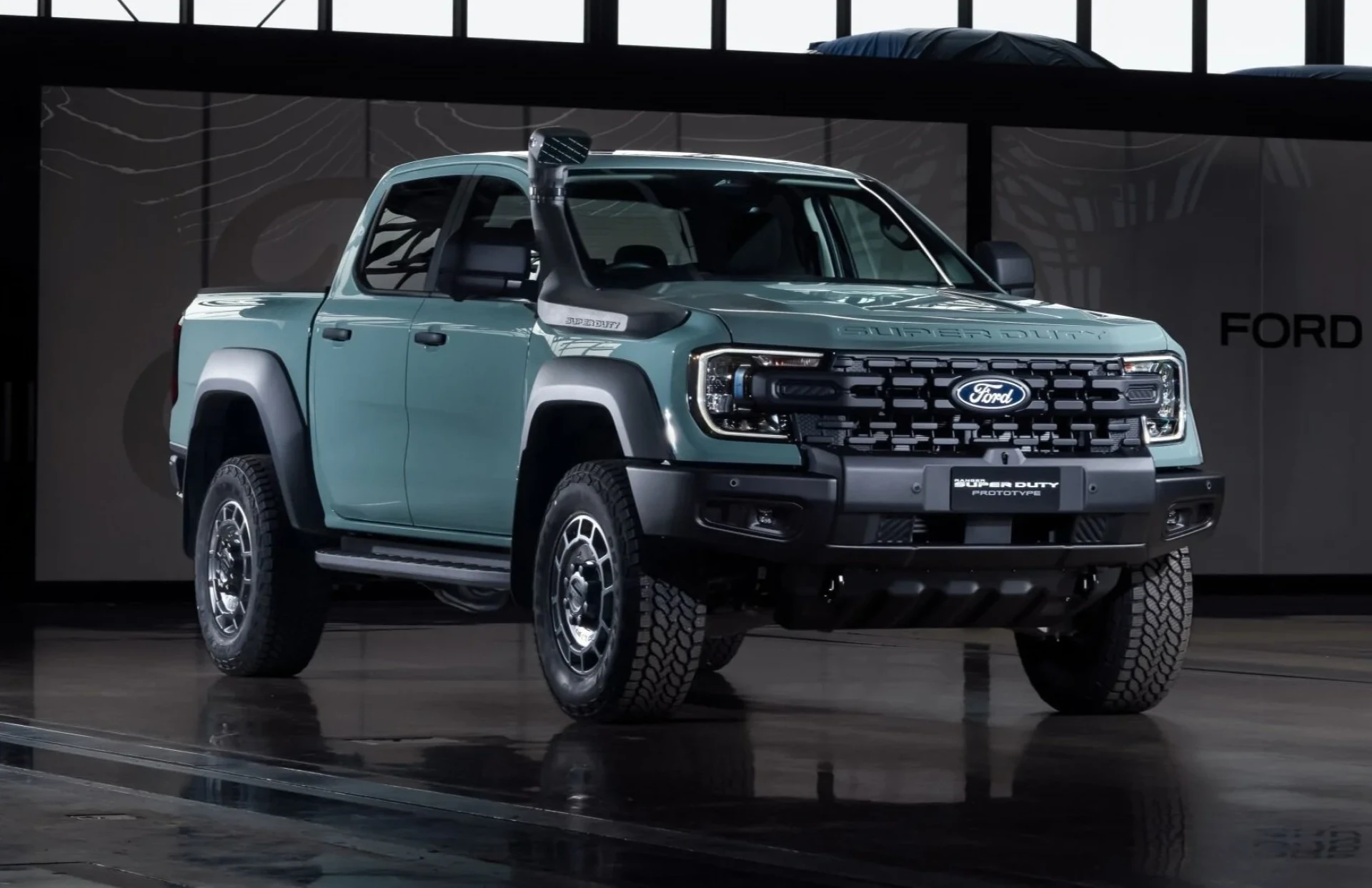
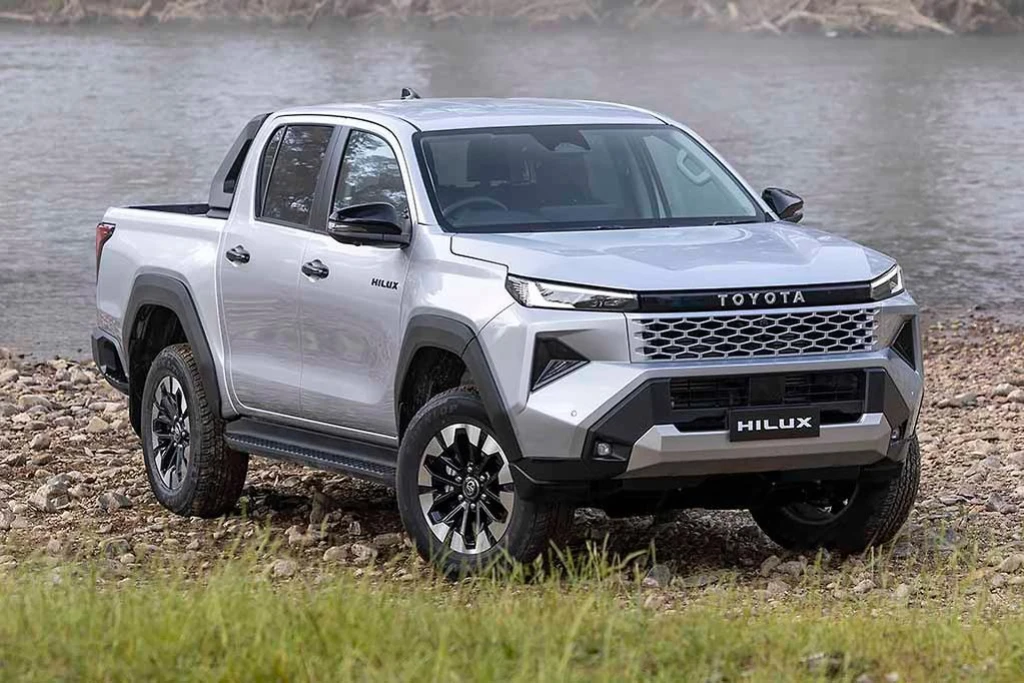
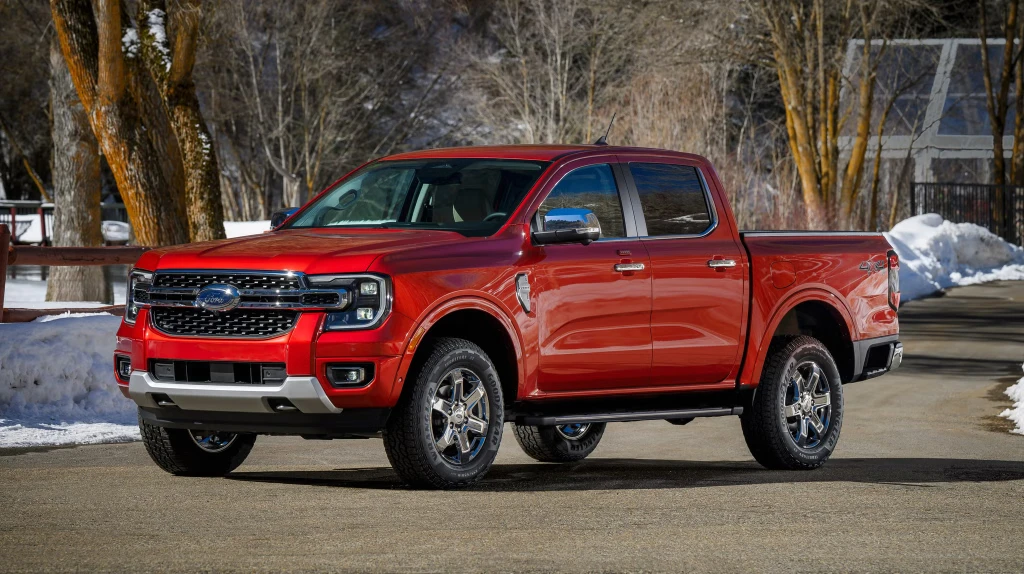
When it comes to choosing a dual-cab ute in Australia, the conversation often narrows down to two names: the Ford Ranger and the Toyota Hilux.
While sales between these two have remained close, sales don't tell the whole story. Both utes bring serious capability to the table, from towing heavy loads to tackling the rough stuff on weekends. So how do you pick between them?
Let's break down the Ford Ranger vs Toyota Hilux debate across the categories that matter most: performance, safety, tech, comfort and running costs. By the end, you'll have a clearer picture of which ute suits your needs.
Performance and Drivetrains
The Ford Ranger offers more variety under the bonnet. The entry-level Ranger XLT runs either a 2.0-litre bi-turbo four-cylinder diesel producing 154 kW and 500 Nm, or the 3.0-litre V6 turbo-diesel that punches out 184 kW and 600 Nm depending on the model.
Step up to the Ford Ranger Sport or Ford Ranger Wildtrak, and you'll get the 3.0-litre V6 turbo-diesel that punches out 184 kW and 600 Nm. That extra grunt makes a noticeable difference when you're towing a caravan or loaded trailer up a steep incline.
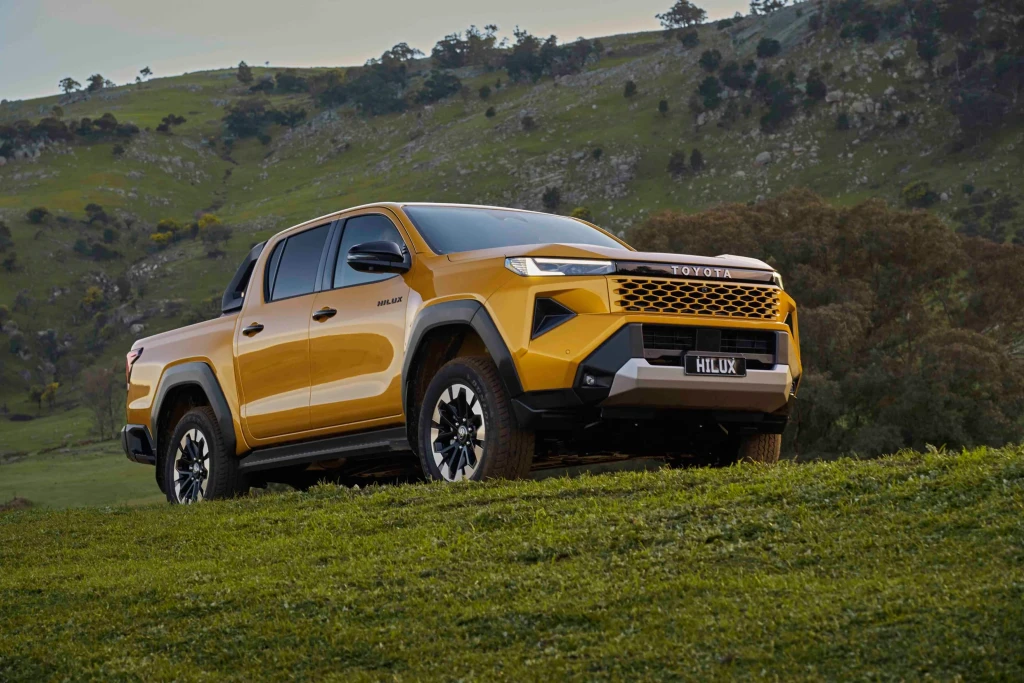
The Toyota Hilux sticks with a 2.8-litre four-cylinder turbo-diesel across most of its range, delivering 150 kW and 500 Nm through either a six-speed manual or six-speed auto. The Hilux SR5 and Hilux Rogue both use this engine, though the GR Sport variant gets a tuned version with 165 kW and 550 Nm.
The new Toyota Hilux also introduces a 48-volt mild-hybrid system on select models, which adds a small electric boost and improves stop-start smoothness.
For fuel economy, the Ranger's 2.0-litre bi-turbo uses 7.6 L/100 km on the combined cycle, while the V6 uses 8.4 L/100 km. The standard Hilux 2.8 auto sits at 8.0 L/100 km, dropping to 7.6 L/100 km with the 48-volt system. Neither ute will win awards at the pump, but the Ranger's 10-speed transmission gives it a slight edge in efficiency.
Both utes max out at 3500 kg braked towing capacity, so you won't be compromising there. Ground clearance favours the Ranger at 234 mm versus the Hilux's 216 mm, though the Hilux Rogue bumps that up to 265 mm with its wider track kit.
The Ranger also wades through 800 mm of water compared to the Hilux's 700 mm, handy if you're crossing creeks or flooded job sites.
Safety Features and ANCAP Ratings
The Ford Ranger scores a five-star ANCAP rating with strong scores for both adult occupant protection and child occupant protection. The Ranger comes standard with nine airbags, including a centre airbag that reduces the risk of injury between front passengers during side impacts.
Driver-assist tech on the Ranger includes autonomous emergency braking with pedestrian and cyclist detection, adaptive cruise control with stop-go functionality, lane-centering assist, blind spot monitoring with trailer coverage, rear cross-traffic alert and a 360-degree camera.
The Wildtrak adds Matrix LED headlights and zone lighting, which illuminates the area around the ute when you unlock it at night.
The Toyota Hilux also holds a five-star ANCAP rating, though it was tested under the older protocol. It offers seven airbags and includes autonomous emergency braking, adaptive cruise control (auto models only), lane-departure alert and road-sign assist.
Blind spot monitoring and rear cross-traffic alert only appear on the Rogue and GR Sport variants, so you'll miss out on those features if you opt for a lower trim.
Both utes meet the mark for safe family transport, but the Ranger's extra airbags and more comprehensive suite of driver aids give it the edge.
Ranger vs Hilux Tech: Is Apple CarPlay and Android Auto Included?
Both vehicles are more tech savvy, though the Ranger feels slightly more modern. Depending on the variant, you'll get either a 10.1-inch or 12-inch touchscreen plus a fully digital instrument cluster that measures 8 or 12.4 inches.
Wireless Apple CarPlay and Android Auto come standard, along with over-the-air software updates. The Wildtrak includes an auxiliary switch bank for pre-wiring accessories like light bars or compressors, plus up to six USB ports and a wireless charging pad.
The Hilux uses an 8-inch screen on the SR and SR5, or a 9-inch unit on the Rogue and GR Sport. Apple CarPlay and Android Auto are wired only, though you do get Toyota Connected Services, which includes SOS eCall and vehicle tracking, but the overall tech package feels a generation behind.
Both utes offer dual-zone climate control, though the Ranger adds rear air-conditioning vents for back-seat passengers. Heated leather seats and a powered driver's seat feature on the Ranger Wildtrak and Hilux Rogue, so comfort is comparable at the top end.
Utility and Cargo Management
For tradies and weekend adventurers, the Ranger's cargo management system is a standout. It includes a factory spray-in bedliner, adjustable cleats and an optional integrated cargo management system with dividers and tie-down points.
There's even a factory 400-watt inverter, so you can run power tools or charge gear without rigging up an aftermarket solution.
The Hilux offers a tub liner and a 12-volt socket, but no in-bed 240-volt outlet. You'll need to add accessories yourself if you want similar functionality.
Payload capacity also tips in the Ranger's favour. Depending on the variant, the Ranger can carry between 934 kg and 1327 kg, while the Hilux ranges from 780 kg to 1005 kg. If you regularly load up tools, materials or camping equipment, that extra capacity matters.
Both utes come with roof rails, and both can be specced with bull bars, canopies and other aftermarket gear. If you're planning to salary package accessories like those through a novated lease, both options work well.
Utility Ride and Handling
The Ranger uses a wider track (50 mm more than the Hilux) and relocated dampers for better wheel articulation. Electric power steering makes low-speed manoeuvring lighter and easier, especially in tight car parks or worksites. The Ranger also runs disc brakes front and rear, which offer better stopping power and less fade under heavy loads.
The Hilux sticks with rear drum brakes on most variants, though the Rogue and GR Sport get a disc upgrade. Its hydraulic steering is heavier at low speeds but feels more connected when you're tackling off-road trails. Toyota revised the Hilux's suspension in 2023 to improve ride comfort, but it still feels firmer when unladen compared to the Ranger.
Neither ute will glide over bumps like a sedan, but the Ranger delivers a more refined on-road experience. The Hilux shines when you head off the beaten track, where its proven suspension geometry and robust build quality inspire confidence.
Which Ute Should You Choose?
Comparing these two impressive utes, there’s no outright winner because it depends on what you value most.
Choose the Ford Ranger if you want more power, better tech, superior payload capacity and a more comfortable daily drive. The V6 engine is a joy when towing, and the advanced driver-assist features make long highway trips less tiring. The Ranger's cargo management options also make it the smarter choice for tradies who need a well-organised tub.
Go with the Toyota Hilux if you prioritise legendary reliability, lower servicing costs and a proven off-road pedigree. The new Hilux with its 48-volt mild-hybrid system also offers improved fuel economy, and Toyota's resale values remain strong across the board.
If you're planning to keep your ute for a decade or more, the Hilux's reputation for durability is hard to ignore.
Both are excellent dual-cab utes that will serve you well, whether you're hauling materials to a job site, towing a boat to the coast or packing the family in for a weekend adventure.
Novated Lease Eligibility
One important thing to consider across both of these vehicles is that - as per the Australian Taxation Office definitions of a car - cars with a payload capacity over 1,000kg are not eligible for a novated lease.
This means some of the variants of both the Ford Ranger and Toyota Hilux aren’t eligible. Talk to our expert team for more advice on the eligibility of the vehicle you’re interested in.
Make Getting Your Next Ute Easi with Novated Leasing
Once you've decided between the Ford Ranger and Toyota Hilux, the next step is making ownership more affordable. At Easi, we specialise in novated leasing that bundles your car payments, running costs and maintenance into one simple pre-tax payment. That means you'll pay less tax while driving the ute you actually want.
We've been helping Australians save on vehicle costs since 1992, and we're here to make the process as straightforward as possible. Whether you're eyeing a Ranger Wildtrak or a Hilux Rogue, our team can tailor a package that suits your budget and lifestyle.
Ready to see how much you could save? Get in touch with us today and let's get the wheels in motion.