Buying a used car can feel like a bit of a gamble. You've found the perfect vehicle, the price looks right, and the seller seems genuine. But what if that car has hidden debts, a dodgy past, or worse, was reported stolen?
That's where a car history check comes in. It's a quick, affordable way to dig up the facts before you hand over your hard-earned cash. Whether you're buying from a dealer or a private seller, knowing what you're getting into gives you peace of mind and protects your wallet.
Let's walk through what a car history check actually is, what it tells you, and why every buyer in Australia should make it part of their pre-purchase routine.
Why Every Used Car Buyer Should Do a Car History Check in Australia
Used car prices in Australia are still coming at a high cost across Australia despite some declines. When you're paying more, you can't afford hidden problems.
Then there's odometer fraud. NSW Fair Trading alone issued 28 fines in February 2025 for tampering, with penalties reaching up to $50,000 under the Australian Consumer Law. Rolled-back odometers aren't just dishonest, they hide the true wear and tear on a vehicle.
And let's not forget safety, with plenty of vehicles still subject to the compulsory Takata airbag recall. A history check combined with a VIN recall lookup can flag these issues before you buy.
Ultimately, a clean history report helps you avoid these headaches down the track.
What Information Shows Up in a PPSR Car History Report
Personal Property Securities Register (PPSR) basics
The Personal Property Securities Register is the Australian Government's official database for checking security interests on vehicles. It replaced the old state-based REVS systems back in 2012, so if you're still hearing people mention REVS checks, they're talking about the same thing.
A PPSR search costs just $2 and takes a couple of minutes online. You'll need the vehicle identification number (VIN) or chassis number, which you can find on the car's compliance plate or registration papers.
Finance owing and clear title
One of the most important things a PPSR check reveals is whether there's any outstanding finance on the vehicle. If the previous owner still owes money to a finance company, that debt stays with the car, not the seller. That means the lender could legally repossess the vehicle from you, even though you paid for it.
A clear title confirms there are no registered security interests. If the report shows money owing, walk away or insist the seller clears the debt before you complete the purchase.
Written-off or repairable write-off status
A car gets written off when an insurer decides the cost to repair it exceeds its value. There are two categories:
Statutory write-off: The car is too damaged to ever be safely repaired and re-registered. You can't legally drive it on Australian roads.
Repairable write-off: The car was damaged but can be repaired and re-registered in some states. Queensland and NSW banned re-registration of repairable write-offs years ago, but other states still allow it.
Even if a repairable write-off is roadworthy, it typically loses resale value and may be harder to insure. Your PPSR search certificate will flag either status.
Stolen status and police records
The PPSR pulls data from state and national police databases to check if a vehicle has been reported stolen. If it has, you'll see it flagged in your report.
Buying a stolen car is a legal nightmare. Even if you paid in good faith, the rightful owner or their insurer can claim the vehicle back, leaving you out of pocket with no car.
Odometer readings and other checks
Most commercial history reports go beyond the basic PPSR data. They compare odometer readings recorded during services, inspections, and previous sales to spot roll-backs. If the numbers don't add up, that's a red flag.
You'll also see details like:
Number of previous owners
Whether it was used as a fleet vehicle or taxi
Past insurance claims or damage repair records (where available)
Registration details and expiry dates
Flags for flood, hail, or imported vehicle status
Some reports even include expected market-price ranges, helping you confirm you're paying a fair amount.
How to Check Car History in 5 Quick Steps
Ready to run your own check? Here's how to do it.
Get the VIN or chassis number. Ask the seller for the vehicle identification number. You can usually find it on the compliance plate near the driver's door or under the bonnet.
Visit the PPSR website. Head to ppsr.gov.au and select the motor vehicle search option. It costs $2 and you'll get your certificate instantly.
Review the PPSR results. Check for finance owing, written-off status, and stolen records. The government also provides a handy guide to understand your car search result.
Run a recall check. Pop the VIN into vehiclerecalls.gov.au to see if there are any unresolved safety recalls, including the Takata airbag issue.
Consider a commercial report. Services like CarHistory or NRMA add extra details like odometer fraud checks and insurance claims. They cost more but give you a fuller picture.
Make sure your PPSR certificate is dated the same day you pay for the car. Security interests can be registered overnight, so an old certificate won't protect you if the seller takes out a loan between your check and the sale.
Other Checks to Combine With Your PPSR Report
A history check is essential, but it's not the only due diligence you should do.
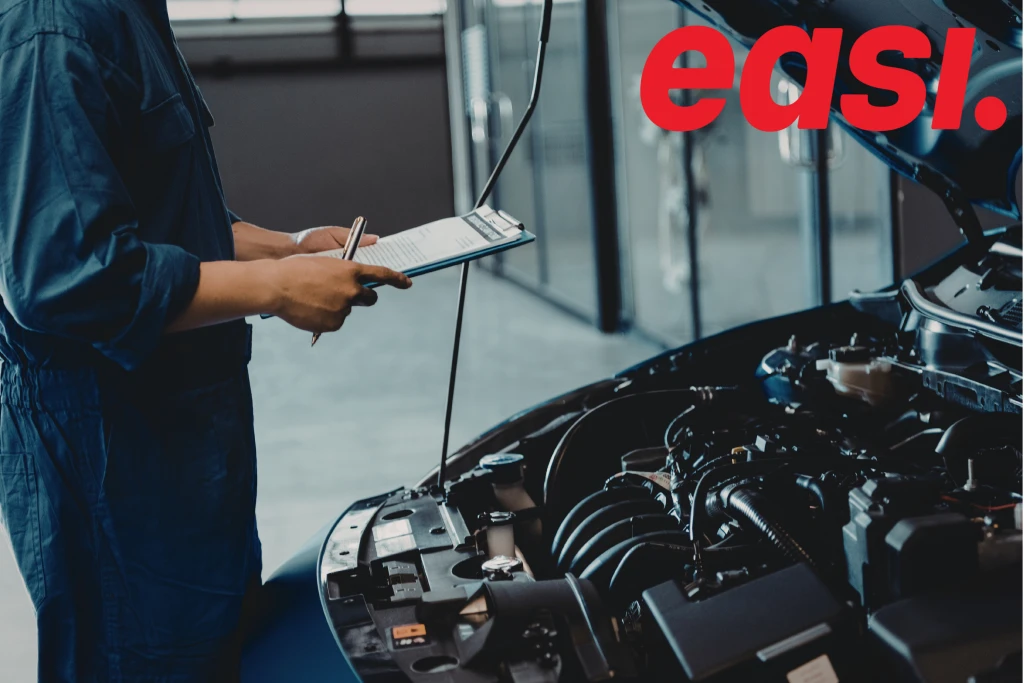
Get a mechanical inspection. Pay a qualified mechanic to look over the car, especially the engine bay, suspension, and brakes. State requirements for roadworthy certificates vary, so check what applies where you live.
Look for rust and damage yourself. Crawl underneath if you can and check the underbody and chassis. Surface rust on the body is one thing, but structural rust is a deal-breaker.
Check the service book. Missing service stamps might void any remaining warranty. If the seller doesn't have a logbook, that's another warning sign.
Take a proper test drive. Listen for odd noises, feel for vibrations, and test the brakes, steering, and gears. If something feels off, trust your gut.
Ready to Buy? Wrap Your Second-Hand Car in an Easi Novated Lease
Once you've done your homework and found a used car with a clean history, the next question is how to pay for it. A novated lease through Easi lets you salary package your vehicle, paying for it from your pre-tax income and lowering your taxable earnings.
You can bundle everything into one easy payment: finance, rego, insurance, servicing, even tyres and fuel. We handle the paperwork, and you get the car you want for less out of pocket each month.
Whether you're eyeing a near-new sedan, a family SUV, or even a used electric vehicle, Easi makes novated leasing simple. With over 30 years' experience, we've helped thousands of Australians save on car ownership.
See how much you could save by getting a quote today. If you're considering an EV, take a look at our electric vehicle options too.
A car history check protects you from costly mistakes. A novated lease with Easi helps you drive the car you love while keeping more money in your pocket - get in touch with us today to find out more and get started.