What Do Electric Vehicles Really Cost?
Electric vehicles (EVs) have gone from a novelty on Australian roads to a genuine mainstream option. They’re not just for tech enthusiasts or early adopters anymore - teachers, tradies, families, and fleet drivers alike are starting to catch on. But what does it actually cost to own an electric vehicle?
Well, it depends. The average cost of an electric vehicle in Australia today sits between $55,000 and $65,000, but that’s just the sticker price. The true cost of ownership includes charging, servicing, insurance, and how you finance the car, all of which can tilt the numbers in your favour.
Let’s get stuck in.
The Average Cost of Electric Vehicles in Australia
If you compare today’s EV market to just five years ago, the landscape looks completely different. Not so long ago, EVs used to be rare and expensive. Now, you’ve got a broad range to choose from, and competition is bringing prices down.
Entry-level EVs: Models like the MG4, BYD Dolphin, and GWM Ora start in the low $40,000s drive-away. These are compact hatches and small SUVs aimed at city drivers who want affordability and efficiency.
Mid-range EVs: Popular picks like the Tesla Model 3, Tesla Model Y, BYD Sealion 7, and Polestar 2 sit between $55,000 and $70,000. These are the cars making up the bulk of sales in Australia.
Premium EVs: Brands like Mercedes-Benz, BMW, and Audi start from $90,000 and can climb well past $150,000. At this level, you’re paying for performance, luxury, and longer range.
So yes, the average cost of electric vehicles is higher than a petrol equivalent. But that’s only part of the story.
It’s also worth keeping in mind the LCT Threshold - currently at $91,387. If the purchase price is above this, it will affect how tax-efficient your novated lease is. Read more about the LCT Threshold here.
Charging Costs: Replacing Petrol with Power
One of the biggest myths about EVs is that charging is complicated and expensive. Realistically, it’s often cheaper and more convenient than filling up at the servo.
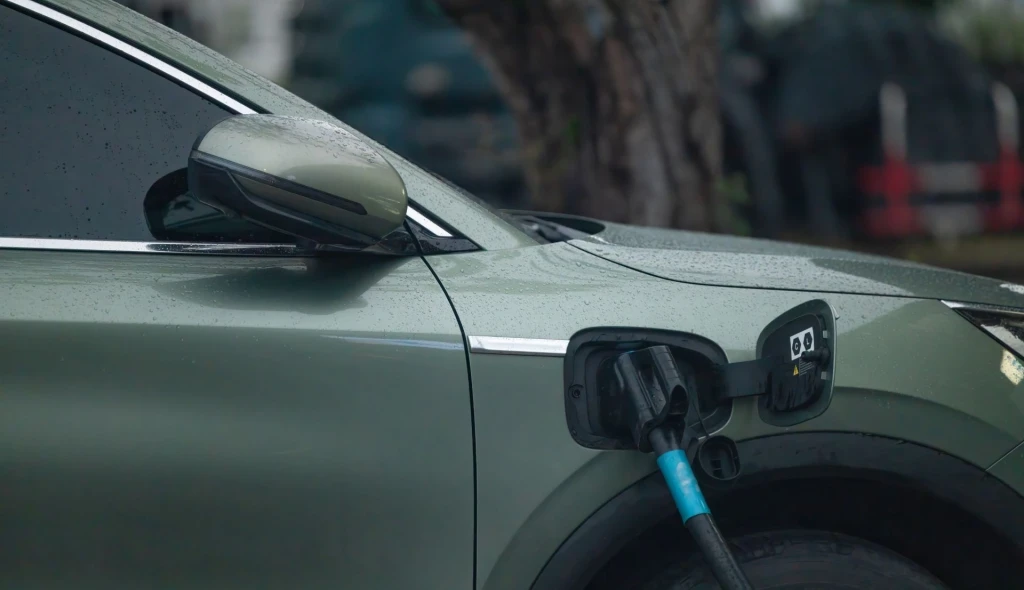
Home charging: Plugging in overnight on an off-peak tariff, a mid-size EV costs around $15–$20 for a full charge. That’s roughly $0.20–$0.25 per kWh, depending on your electricity plan.
Public charging: Fast chargers cost more, around $0.60–$0.80 per kWh, but they deliver an 80% charge in about 30 minutes. Still, that’s often half the cost of a petrol tank.Solar bonus: If you’ve got rooftop solar, charging your EV during the day can be virtually free. Many EV drivers report their annual “fuel” bill dropping into the hundreds rather than thousands.
When you compare the average cost of running an EV vs petrol or diesel, an EV can save thousands of dollars over the life of the car, especially if you’re commuting daily.

Servicing and Maintenance: Fewer Moving Parts, Fewer Bills
An EV doesn’t have an engine, gearbox, spark plugs, or exhaust system. Fewer moving parts means fewer things to go wrong and fewer items on the service schedule.
Routine checks usually cover tyres, brakes, fluids, and software updates.
Brake wear is reduced thanks to regenerative braking, which uses the motor to slow the car and recharge the battery.
Battery warranties often last 8 years or 160,000 km, giving confidence in the most expensive component.
On average, EV servicing costs around 30-40% less than that of an equivalent petrol or diesel vehicle.
Don’t Forget About Insurance
Insurance is one area where costs can creep up. Because EVs are newer technology and some parts (like batteries) are expensive, premiums can be higher than average.
However, insurers are getting more competitive as EV numbers rise. Some even offer discounts for EVs thanks to their lower environmental impact and advanced safety tech.
If you’re budgeting, you can expect EV insurance to be 5–15% higher than a comparable petrol or diesel model, but that’s balanced out by lower running costs elsewhere.
Make The Most of Limited-Time Government Incentives
The federal government is encouraging people to adopt climate-friendly vehicles by offering limited-time incentives to buyers of EVs through a Novated Lease.
Fringe Benefits Tax (FBT) exemption: Eligible EVs under the threshold attract zero FBT when salary packaged through a novated lease. This can translate into savings of thousands each year.
State rebates: Some states still offer up to $3,000 back on eligible new EVs.
Registration and stamp duty discounts: Depending on where you live, you could save hundreds annually.
These incentives mean that the average cost of an electric vehicle in Australia is not just about the sticker price; the real cost to you can be significantly lower.
Finance: Why How You Pay Matters
Buying an EV outright might be the dream, but most people finance their car. The way you do it makes a huge difference.
Buying outright: You pay the full cost upfront, but you miss out on tax savings.
Car loan: Spreads the cost, but repayments come from your after-tax income.
Novated lease: This is where EVs shine. With a novated lease:
Payments are taken from your pre-tax salary.
Running costs like charging, rego, servicing, and insurance can be bundled into one payment.
You take advantage of the EV FBT exemption, which petrol and diesel vehicles don’t get.
In practice, this can bring a $65,000 EV down to a cost equivalent to a $45,000 petrol car when you look at your take-home pay.
How Does This Work in The Real World? EV vs Petrol
Let’s take two similar vehicles:
Tesla Model 3 (RWD): Purchase price around $61,000.
Toyota Camry SL (petrol): Purchase price around $49,000.
At first glance, the petrol car looks cheaper. But factor in:
Fuel costs: ~$2,500 per year for the Camry vs ~$600 for the Tesla (home charging).
Servicing: ~$500 annually for the Camry vs ~$250 for the Tesla.
Tax savings with a novated lease: thousands per year on the Tesla thanks to the FBT exemption.
Over five years, the Tesla’s total cost of ownership can actually undercut the Camry, even though its sticker price is higher.
Resale Value: The Unknown That’s Becoming Known
Resale has always been a concern with new tech. But in Australia, demand for second-hand EVs is outstripping supply. Teslas, Polestars, and BYDs are holding their value well, sometimes better than comparable petrol cars.
As infrastructure expands and more people enter the EV market, strong resale is expected to continue.
Key Takeaways
The average cost of an electric vehicle in Australia is around $55k–$65k, but entry models are now under $45k.
Charging is dramatically cheaper than petrol, especially if you use off-peak rates or solar.
Servicing and maintenance costs are lower thanks to fewer moving parts.
Incentives like the EV FBT exemption through novated leasing make EVs far more affordable than they first appear.
Over several years, the cost of electric vehicles can be equal to, or even less than, that of comparable petrol cars.
Should You Make the Switch?
If you’ve been sitting on the fence, the numbers speak for themselves. EVs are no longer just about reducing your carbon footprint; they’re increasingly the smarter financial choice.
And with a novated lease through Easi, the cost of electric vehicles becomes even easier to manage. One monthly payment covers everything: car, charging, rego, insurance, and servicing, all from your pre-tax income.
Curious about your own numbers? Use our Novated Lease Calculator and see how much you could save on your next EV.