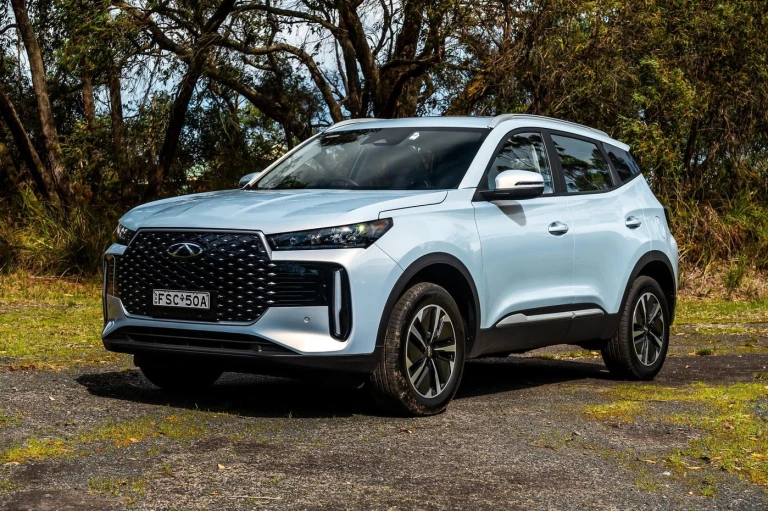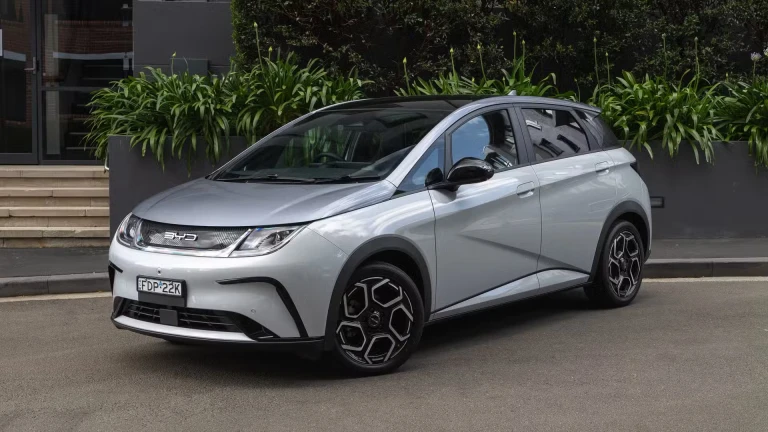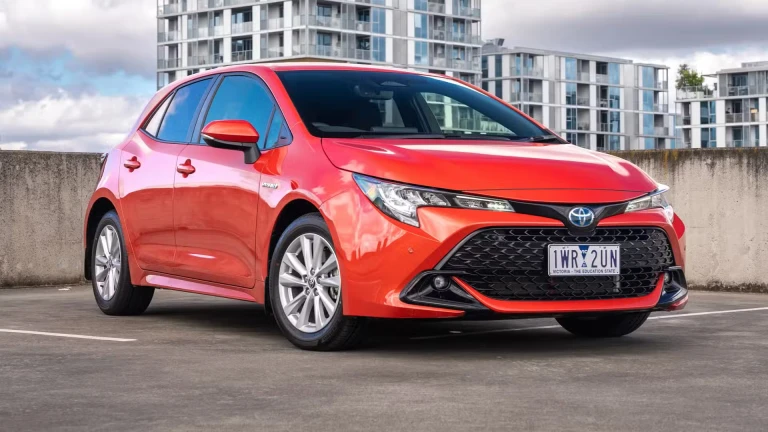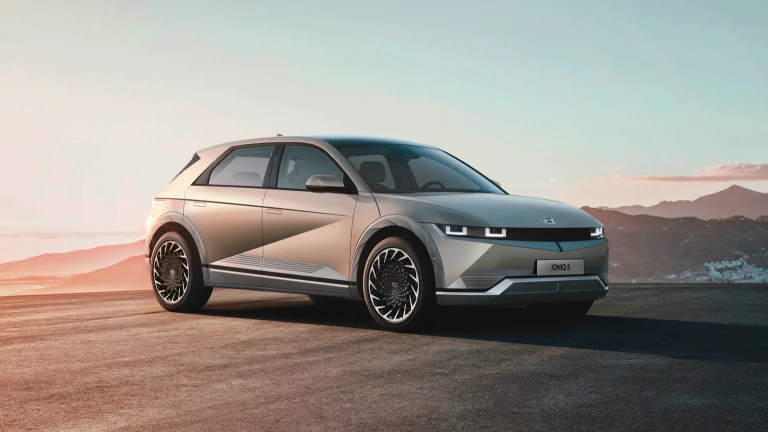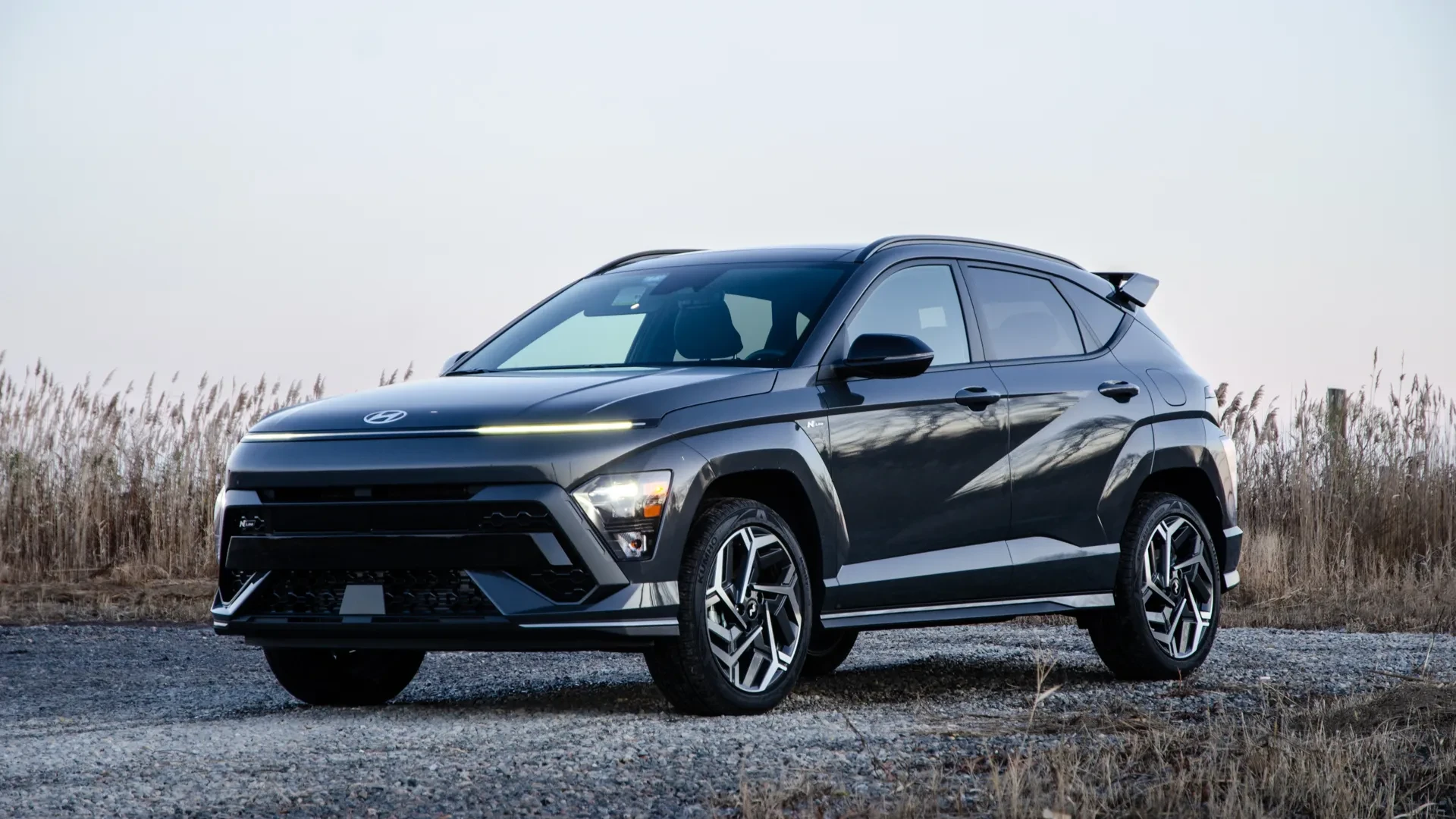
Australia is home to an amazing range of small SUVs, however this means competition between them all is quite strong. If you're weighing up the Hyundai Kona vs Kia Seltos, you're not alone. These two Korean rivals dominate Australian driveways for good reason. They're affordable, practical and loaded with tech.
Alongside a couple of other popular alternatives - namely the Hyundai Tucson and Mazda CX-3 - it can be hard to decide which is right for you. Luckily, Easi’s team of car experts is here to break down the key points to help you make your decision.
Hyundai Kona vs Kia Seltos: Quick Snapshot
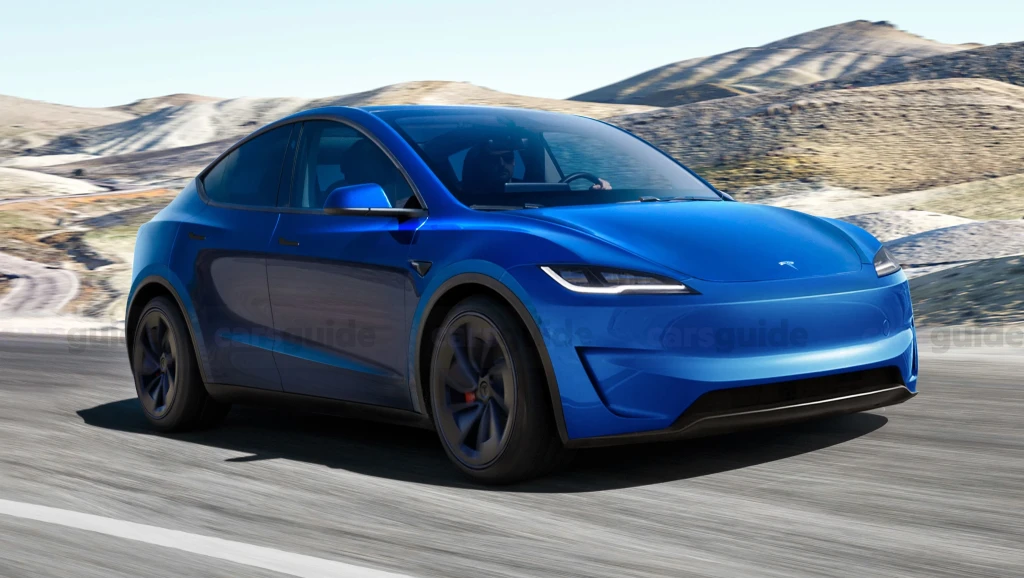
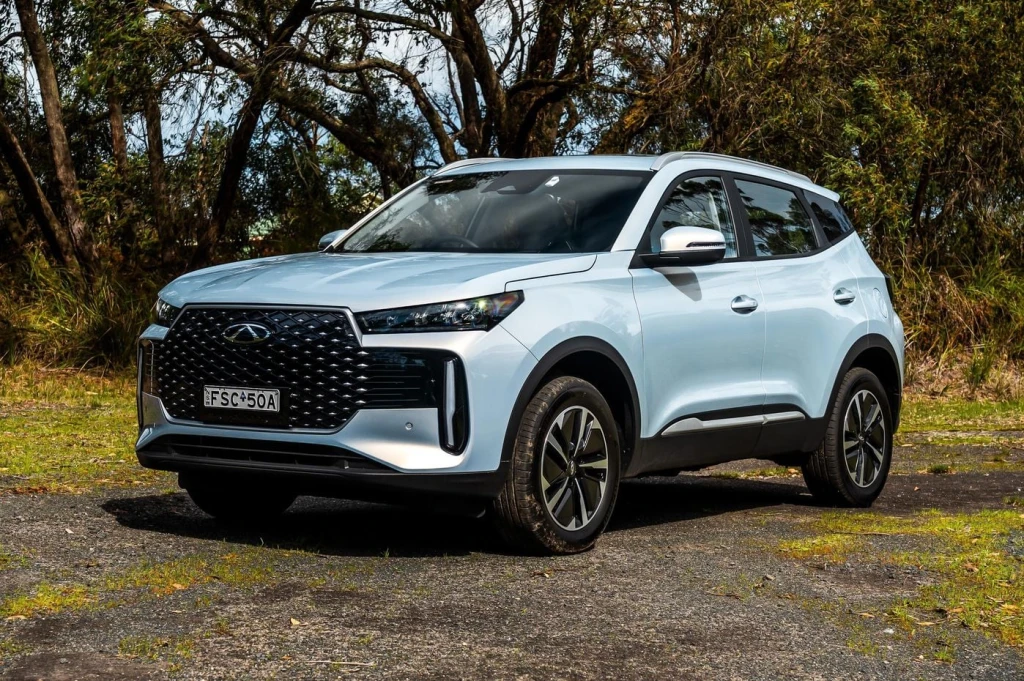
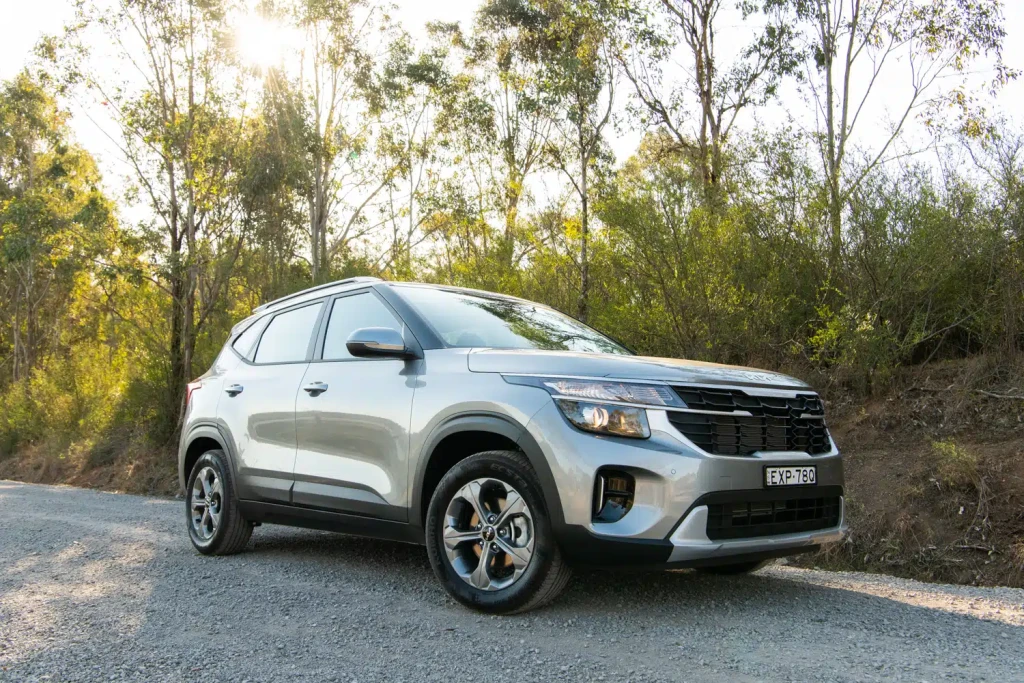
The Kona and Seltos are quite similar at a glance. Both sit on the same platform, share the same engines, and even offer identical power outputs. The Kona brings edgier styling and a fresher interior, while the Seltos counters with a boxier shape that translates to slightly more cargo space and headroom.
Cargo space is one area where the Seltos offers a small edge. Its boot holds up to 468 litres with the space-saver spare, compared to the Kona's 407 litres. If you're regularly hauling sports gear or packing for weekend getaways down the coast, that extra room might matter.
Both vehicles come standard with wireless Apple CarPlay on base trims, a five-star ANCAP rating, and a solid list of driver aids including adaptive cruise and lane-keep assist.
Fuel economy is nearly identical. The Kona 2.0 FWD averages 6.6 L/100 km, while the Seltos 2.0 FWD uses 6.9 L/100 km. The turbocharged all wheel drive versions are also neck and neck. Where the Kona pulls ahead is in offering hybrid and electric variants, which the Seltos doesn't match yet.
Kia Seltos vs Hyundai Kona: What About Price?
The Seltos sneaks in with a slightly lower starting price, making it attractive if you're watching the budget closely. Both models offer strong value, especially when you factor in the standard features like dual-zone climate control, rear parking sensors and smartphone mirroring.
If you're considering a novated lease, either of these SUV options can make a lot of sense. You'll bundle rego, insurance and running costs into one easy pre-tax payment, which helps stretch your dollar further. The Kona Electric is particularly appealing here, thanks to the FBT exemption on eligible electric vehicles.
Hyundai Kona vs Tucson: All About Space
When comparing the Hyundai Kona to the Tucson, space and storage is one of the biggest factors.
The Tucson is a step up in the medium-SUV segment. It offers a much larger cabin, more rear legroom and shoulder room, and a boot that swallows 539 litres. That's a noticeable jump if you've got a growing family or regularly carry passengers. The ride quality is more refined, and the interior feels a touch more premium.
But bigger isn't always better. The Tucson costs more upfront and drinks a bit more fuel in non-hybrid form. Its 2.0-litre FWD model uses 8.1 L/100 km, meaning if you're doing mostly city commutes, that difference adds up over time - especially with petrol hovering above two dollars a litre.
The Tucson also includes more advanced safety tech like Highway Driving Assist 2, which takes some of the strain out of long highway drives. If you're regularly covering distances or want the most sophisticated driver aids, the Tucson is worth the extra spend.
Hyundai Kona vs Mazda CX 3: The Underdog
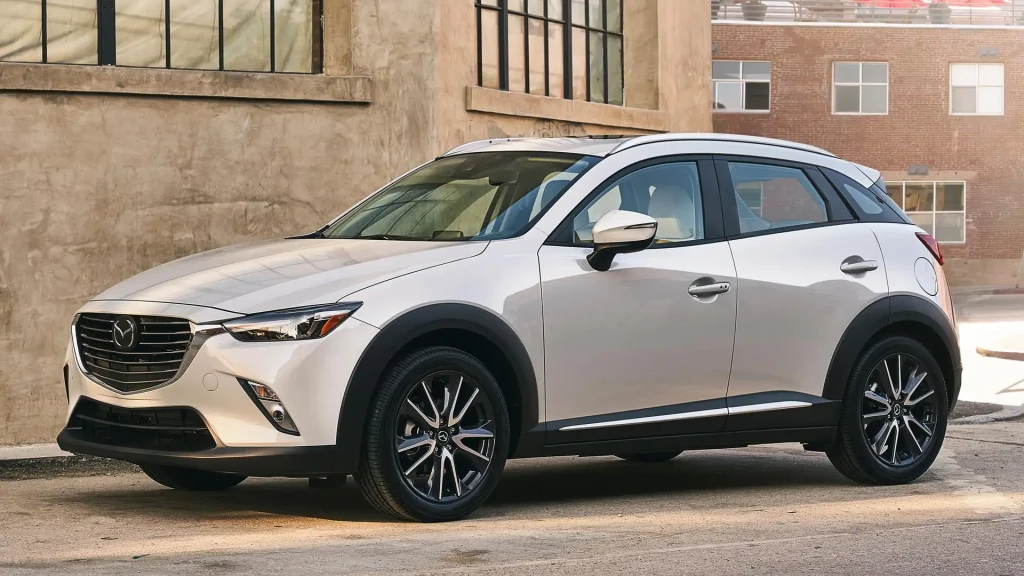
The Mazda CX-3 used to be a top pick, but its apparent age and more competitors appearing makes comparisons closer than they used to be.
With just 264 litres of boot space, the CX-3 trails well behind both the Kona and Seltos. The back seats are snug, and the infotainment system can feel a bit dated compared to the wireless apple carplay setup in newer rivals.
On the plus side, the CX-3 handles beautifully. Mazda's focus on driving dynamics means it feels more connected and agile than the Kona, especially on twisty roads.
Fuel costs are certainly competitive, with the CX-3 2.0 FWD achieving 6.3 L/100 km, which is the best figure here. It's also the cheapest to buy, starting well under the Kona and Seltos. If you're a single driver or couple without kids, and you value sharp steering and a smaller footprint for city parking, the CX-3 still has appeal.
But for most buyers, the lack of interior passenger space, older tech and absence of hybrid or turbo options make it harder to recommend in 2026.
Power and Performance Key Differences
The Kona and Seltos both offer a 2.0-litre naturally aspirated engine producing 110 kW, or a 1.6-litre turbo engine pushing 146 kW in AWD form. That turbocharged option gives you noticeably stronger acceleration and more confidence when merging or overtaking on the highway.
The Tucson's 1.6-litre turbo sits at 132 kW, but the hybrid variant delivers a combined 169 kW, making it the most muscular option here. The CX-3 sticks with a single 2.0-litre naturally aspirated engine at 110 kW, with no turbo or hybrid alternative.
If you're chasing performance, the Kona or Seltos 1.6 T AWD models hit the sweet spot without pushing into Tucson territory on price.
Interior Space and Comfort
Interior space varies across these four models. The Tucson is the roomiest by a clear margin, with generous rear legroom and shoulder room that makes it comfortable for adults on longer trips. The Seltos has a taller roofline than the Kona, which translates to better headroom in the back, especially if you've got taller passengers or child seats installed.
The Kona has grown compared to its previous generation, adding 60 millimetres in length. That makes it competitive now, though the sloping roofline does eat into rear headroom slightly. The CX-3 is the tightest, with a back bench better suited to kids than adults.
All four offer decent front-seat comfort and supportive bolstering. The center console layouts are intuitive, with the Kona and Seltos featuring the most modern touchscreen interfaces.
Which Small SUV is Right for You?
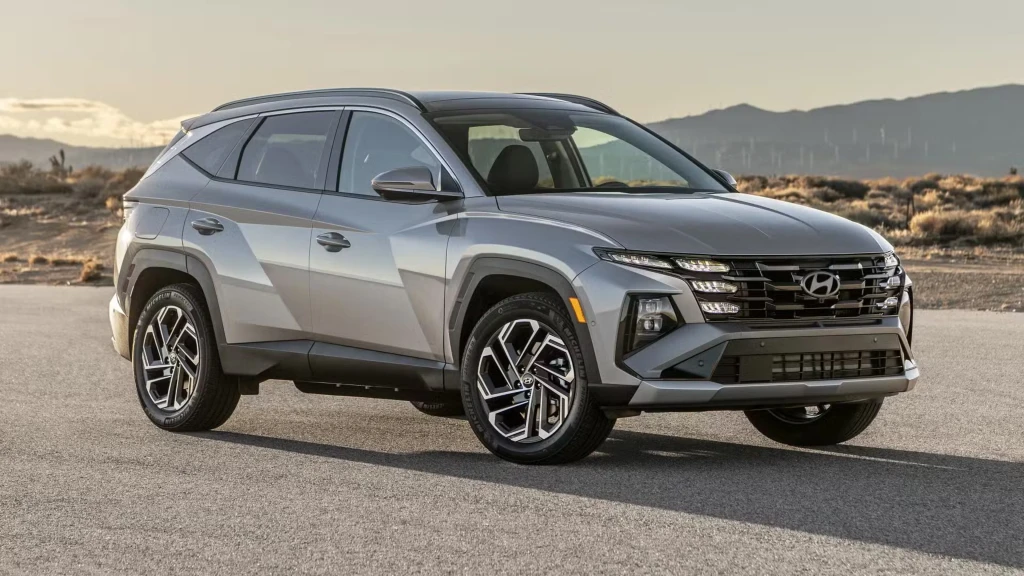
There's no outright winner here because each SUV serves a slightly different purpose. The Kona suits buyers who want sharp styling, the latest tech and the option to go hybrid or electric. The Seltos appeals if you prefer a longer warranty, a bit more boot space and a slightly lower entry price.
The Tucson makes sense if you need a bigger cabin and don't mind spending extra for more refinement. The CX-3 works for budget-conscious drivers who prioritise handling and a compact size over maximum space.
Your lifestyle and priorities will guide you. Think about how you'll use the car day to day. Do you need room for sports gear and weekend camping trips? Is fuel economy a top concern with your daily commute? Are you planning to keep the car for a decade, making that seven-year warranty on the Seltos more valuable?
Get Behind the Wheel of Your Next SUV with Easi
Once you've picked your favourite small SUV, the next step is how you get it - and a novated lease is a great way for you to get your next car while saving thousands.
A novated lease lets you pay for your car from your pre-tax salary, which lowers your taxable income and puts more money back in your pocket. Everything from rego to insurance to servicing gets bundled into one easy payment. Plus, if you're eyeing the Kona Electric, you can take advantage of the FBT exemption and save even more.
Ready to get the wheels in motion? Give the friendly team at Easi a call or grab a novated lease quote online. We'll handle the paperwork and help you drive away in the small SUV that suits your life.