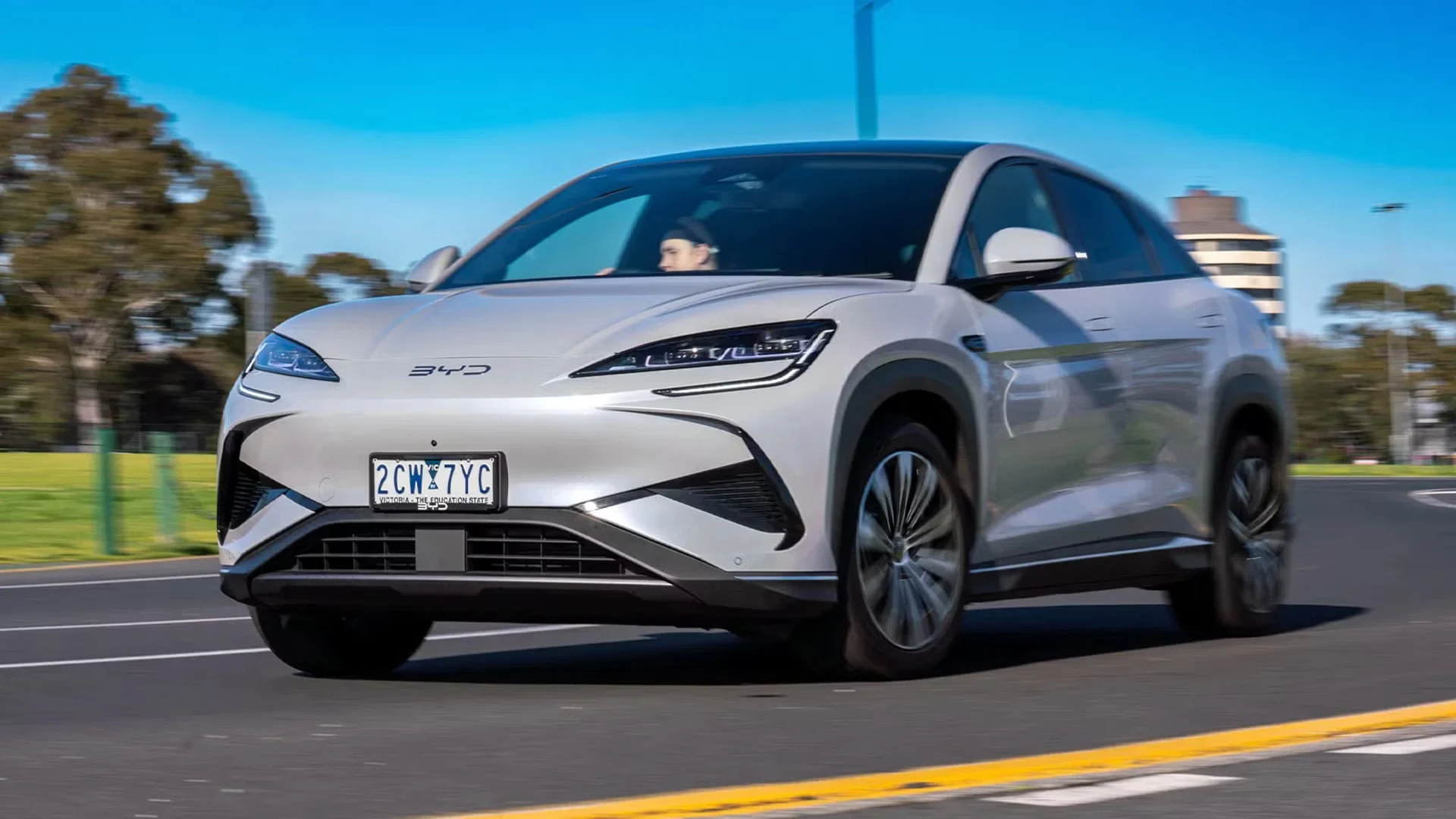
Australia's electric vehicle market is heating up, and two SUVs are capturing the attention of drivers across the country. The BYD Sealion 7 burst onto the scene in 2025, challenging the Tesla Model Y's dominance with competitive pricing and generous equipment.
Both qualify as FBT-exempt EVs, sitting comfortably under the luxury car tax threshold for 2025-26, which makes them particularly attractive for salary packaging.
If you're weighing up the BYD Sealion 7 vs Tesla Model Y, you're not alone. EV sales jumped 38% last year, and these two models accounted for a significant chunk of that growth. The Tesla Model Y held its crown as Australia's best-selling passenger vehicle overall, while the 2025 BYD Sealion 7 cracked the top five within months of launch.
So which one deserves a spot in your driveway? Let's break down what matters.
Design That Turns Heads
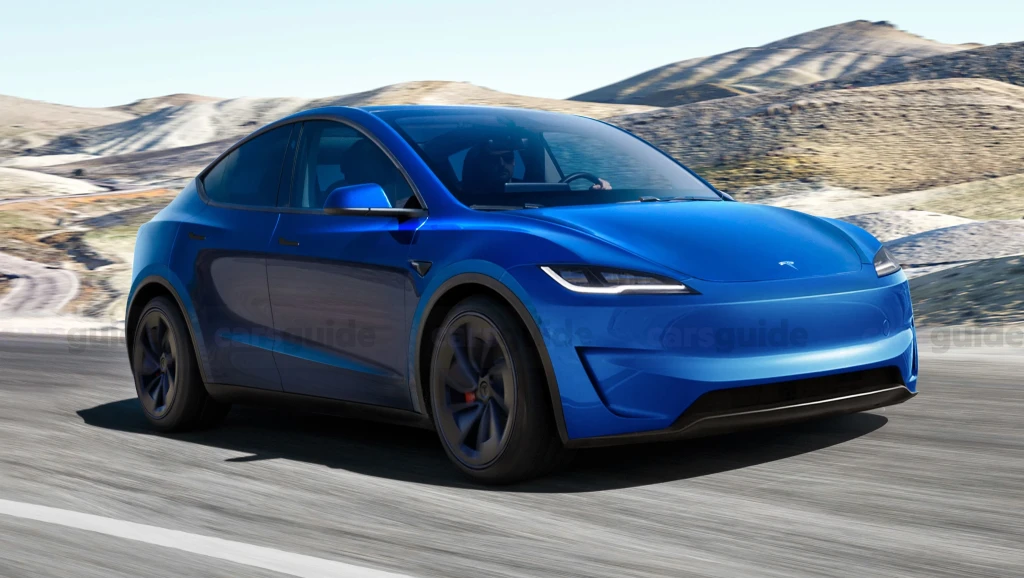
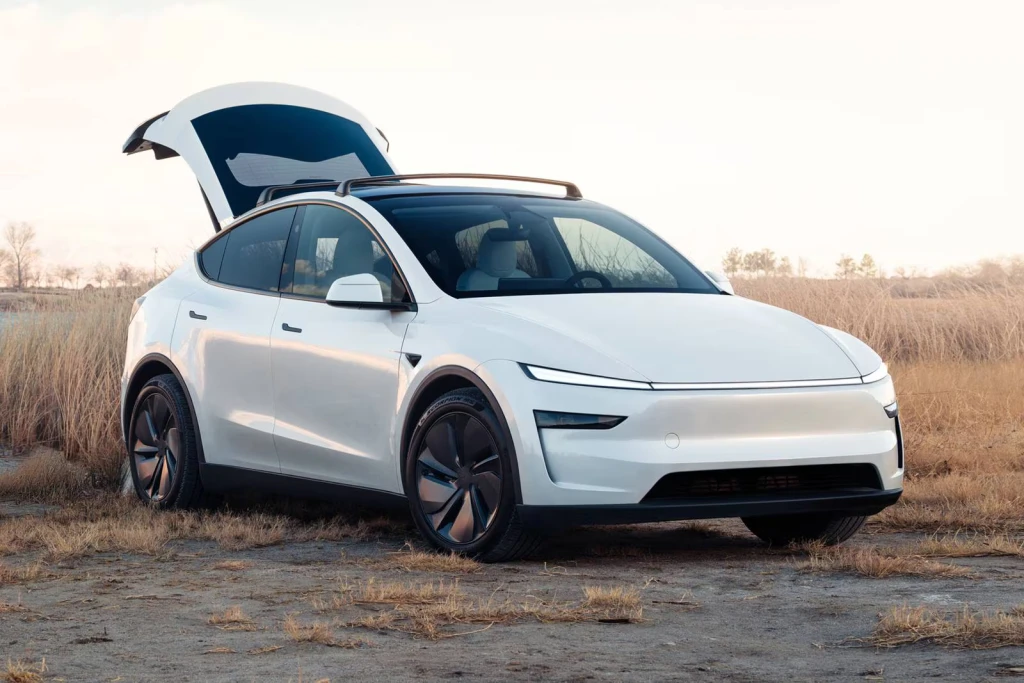
The Tesla Model Y received its 'Juniper' refresh for 2025, smoothing out the front end and adding sleeker LED light bars at the front and rear. It's understated in a way that screams Tesla, with clean lines and that signature minimalist look. The glass roof floods the cabin with natural light, though some drivers find it lets in too much heat on scorching summer days.
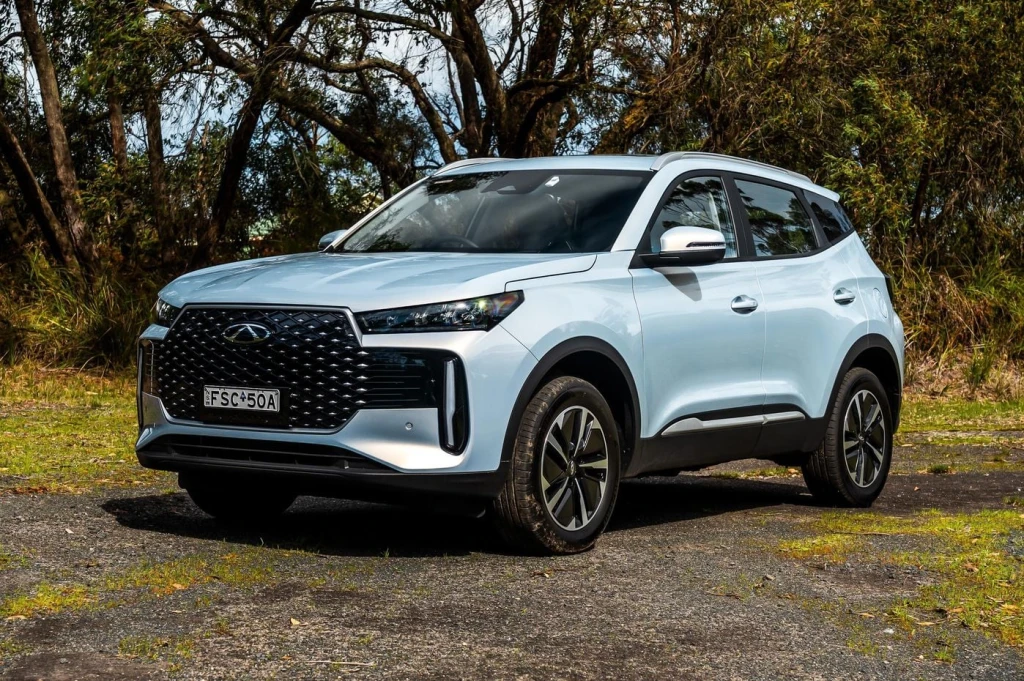
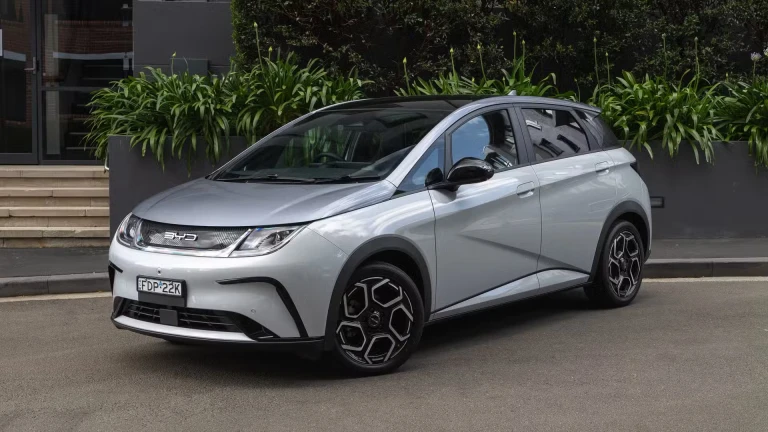
The BYD Sealion takes a different approach with flowing, ocean-inspired curves and chrome accents that give it a slightly more premium feel. It's marginally longer and sits on a longer wheelbase, which translates to more legroom in the back.
Both SUVs wear their electric credentials proudly, but the Sealion's design feels a touch more conventional, which might appeal if you're not sold on Tesla's futuristic aesthetic.
Power, Performance and the Driving Experience
The BYD Sealion 7 comes in two variants: the Premium RWD with 230 kW and the Performance AWD that unleashes 390 kW and 690 Nm of torque.
That Performance variant will hit 100 km/h in just 4.5 seconds, matching many sports cars for straight-line performance. BYD's frequency-selective damping system also helps reduce body roll, keeping things composed through corners.
Tesla counters with the Model Y RWD at 220 kW and the Long Range AWD at 331 kW. The Long Range hits 100 km/h in 4.3 seconds, slightly edging ahead of the Sealion 7 Performance.
Tesla's one-pedal driving is standard across the range, and many drivers love the way it simplifies city driving. The Model Y feels planted and responsive, though it could feel a bit firm over rough Aussie roads.
Both offer dual motor performance in their top-spec models, but the BYD delivers more power on paper. The Tesla feels more connected and immediate thanks to its software integration, while the BYD offers a slightly cushier, more traditional ride comfort.
Real World Range and Charging
When it comes to EVs, range is an important consideration. The BYD Sealion 7 delivers 482 km (RWD) or 456 km (AWD) of WLTP range. Real-world testing suggests you'll see around 10% less than that, so budget for roughly 420-440 km in mixed driving.
The Tesla Model Y RWD claims a range of 466 km, while the Long Range AWD steps up to a class-leading 551 km. That extra range makes the Long Range a better bet for regular road trips, say Perth to Bunbury or Sydney to Canberra, without needing to stop for a top-up.
Tesla also appears to have the edge in charging. The Model Y can accept up to 250 kW, hitting 10-80% in around 22 minutes on a Supercharger. The Sealion 7 maxes out at 150 kW, meaning slower charging times of roughly 30 minutes for the same battery fill.
Tesla's Supercharger network remains more extensive too, though the company has opened select stations to CCS-equipped EVs in metro areas, levelling the playing field slightly.
One point BYD has over Tesla is their vehicle-to-load (V2L) capability at 3.3 kW, letting you power tools, camping gear or even your home during a blackout.
Safety Features That Matter
Both electric cars score five stars from ANCAP, so you're in safe hands either way. Standard safety features include autonomous emergency braking, adaptive cruise control, lane keep assist, blind spot monitor and rear cross traffic alert.
The Tesla Model Y features its advanced Autopilot system, while the BYD Sealion provides front cross-traffic assist and child presence detection, thoughtful additions for families.
Both SUVs come loaded with cameras: the Sealion 7 features a full 360-degree setup, while the Model Y uses side-repeater cameras and front/rear views. Traffic sign recognition appears on both, helping you stay on the right side of the speed limit.
Comfort, Tech and Daily Practicality
Both of these EVs feature a comprehensive suite of features to make your drive more enjoyable.
The BYD Sealion 7 welcomes you with wireless Apple CarPlay and Android Auto, a head-up display, heated and ventilated front seats, and a wireless charger.
Physical buttons for volume and climate control remain, which some drivers prefer over touchscreen-only interfaces. The centre console offers decent storage space, and the rear seats are spacious enough for adults on longer trips.
The Tesla Model Y takes a radically different approach, with no Apple CarPlay or Android Auto. Everything runs through Tesla's central screen, including gear selection in the new Juniper model.
Heated seats are standard front and rear, with ventilation available, and the Juniper refresh added an 8-inch rear entertainment screen, dual wireless phone chargers and a heated steering wheel across all trims.
Luggage space heavily favours the Tesla: 854 litres with the rear seats up (including a 117-litre frunk), expanding to 2,158 litres when you fold them down. The BYD offers 500 litres plus a 58-litre frunk, adequate but noticeably less flexible. The Model Y's power tailgate is standard, but it's an extra on some BYD variants.
If you rely on smartphone mirroring for navigation or music, the BYD is a great choice. If you're comfortable living inside Tesla's ecosystem and value maximising storage space, the Model Y makes more sense.
Which Electric SUV Is Right for You?
Looking throughout these comparisons, it shows that the BYD Sealion 7 vs Tesla Model Y battle appeals to different priorities.
Choose the BYD Sealion 7 if you want better value, wireless Apple CarPlay and Android Auto, more power in the Performance variant, and V2L capability for camping or emergencies.
Choose the Tesla Model Y if you prioritise more driving range (especially the Long Range), faster charging, superior storage space, Tesla's software ecosystem and Autopilot, and you're comfortable without smartphone mirroring.
Both are spacious inside, loaded with safety features, and brilliant for families or professionals who value efficiency. The Tesla feels more futuristic and software-driven, while the BYD offers a more familiar, feature-rich experience at a lower entry point.
Make Electric Cars Easier with Easi
Whichever electric SUV wins your heart, Easi makes novated leasing simple. We bundle your car payment, insurance, rego, servicing and tyres into one pre-tax amount, lowering your taxable income and freeing up cash for the things that matter.
Talk to our experts today and start saving thousands on your next electric vehicle by getting a quote.
Tesla Model Y vs BYD Sealion 7 FAQs
Is the BYD Sealion 7 cheaper to run than a Tesla Model Y?
Running costs depend on electricity prices and driving habits, but the Tesla Model Y's superior energy efficiency (14.9 kWh/100 km vs 17-19 kWh/100 km) means lower charging costs over time.
Does the Tesla Model Y have Apple CarPlay or Android Auto?
No. Tesla uses its own proprietary software and doesn't support Apple CarPlay or Android Auto. The BYD Sealion 7 offers wireless versions of both.
Are both cars eligible for the Australian EV FBT exemption under a novated lease?
Yes. Both the BYD Sealion 7 and Tesla Model Y qualify for FBT exemption under a novated lease, provided they're priced below the $91,387 luxury car tax threshold.
Which has the bigger boot, the Model Y or Sealion 7?
The Tesla Model Y offers 854 litres of storage (including frunk), expanding to 2158 litres with rear seats folded. The BYD Sealion 7 provides 558 litres total (500 L boot + 58 L frunk).